1755–1767 Edward White Coin Silver Teaspoon – Hartford & Southampton NY Silversmith – Mid-18th Century Shell Drop – (g)
A mid-18th century American colonial coin silver teaspoon attributed to Edward White (1731–1767), active in Hartford, Connecticut and Southampton, New York. This example dates firmly within White’s documented working period of approximately 1755–1767 and measures 4 1/8 inches in length, a size consistent with early American teaspoons of the era. The spoon is struck on the reverse of the handle with a well-defined rectangular cartouche bearing the initials “EW,” a mark corresponding to punches recorded in the photographic archives of the Winterthur Museum, Garden & Library. The clarity and character of the stamp, together with the spoon’s form and construction, support this attribution.
The spoon exhibits a pronounced midrib spine running the length of the handle, lending both structural integrity and a refined sculptural quality. The terminal turns gently upward in a manner consistent with mid-century colonial taste. Most distinctive is the carefully formed thirteen-point scalloped shell drop on the reverse of the bowl, a decorative Rococo-derived motif common in English and American silver of the 1740s–1760s.
Engraved on the reverse of the handle is the contemporary owner’s mark “H✱L,” executed in a period hand with a star separator. This style of engraving is entirely consistent with mid-18th century American ownership marks and appears original to the piece, adding another layer of historical authenticity and personal connection to its early owner.
Edward White was active as a silversmith in the Connecticut and Long Island region during the mid-18th century, with documentary evidence placing him in Southampton, Long Island and Hartford, Connecticut before his death in 1767. He was connected by marriage to the prominent Pelletreau family of Southampton, having married the sister of silversmith Elias Pelletreau (1726–1810), one of the best documented craftsmen of colonial Long Island. While Pelletreau’s work survives in greater numbers and is well represented in scholarship, White’s marked silver is comparatively scarce, making the couple surviving examples of particular interest to collectors of early American coin silver and regional colonial makers.
Condition is consistent with careful domestic use over more than two and a half centuries. There are small, shallow dings in the bowl and normal age-related surface wear, including light scratches and minor softening to high points. The maker’s mark remains fairly clear and legible, and no repairs are observed. The spoon remains structurally sound and displays beautifully, retaining strong period character and desirable early features.
Check out some of my other sterling silver flatware here:
https://www.etsy.com/shop/DCSILVERSHOP?ref=shop_sugg§ion_id=7399760
Or just browse around the shop!
https://www.etsy.com/shop/DCSILVERSHOP
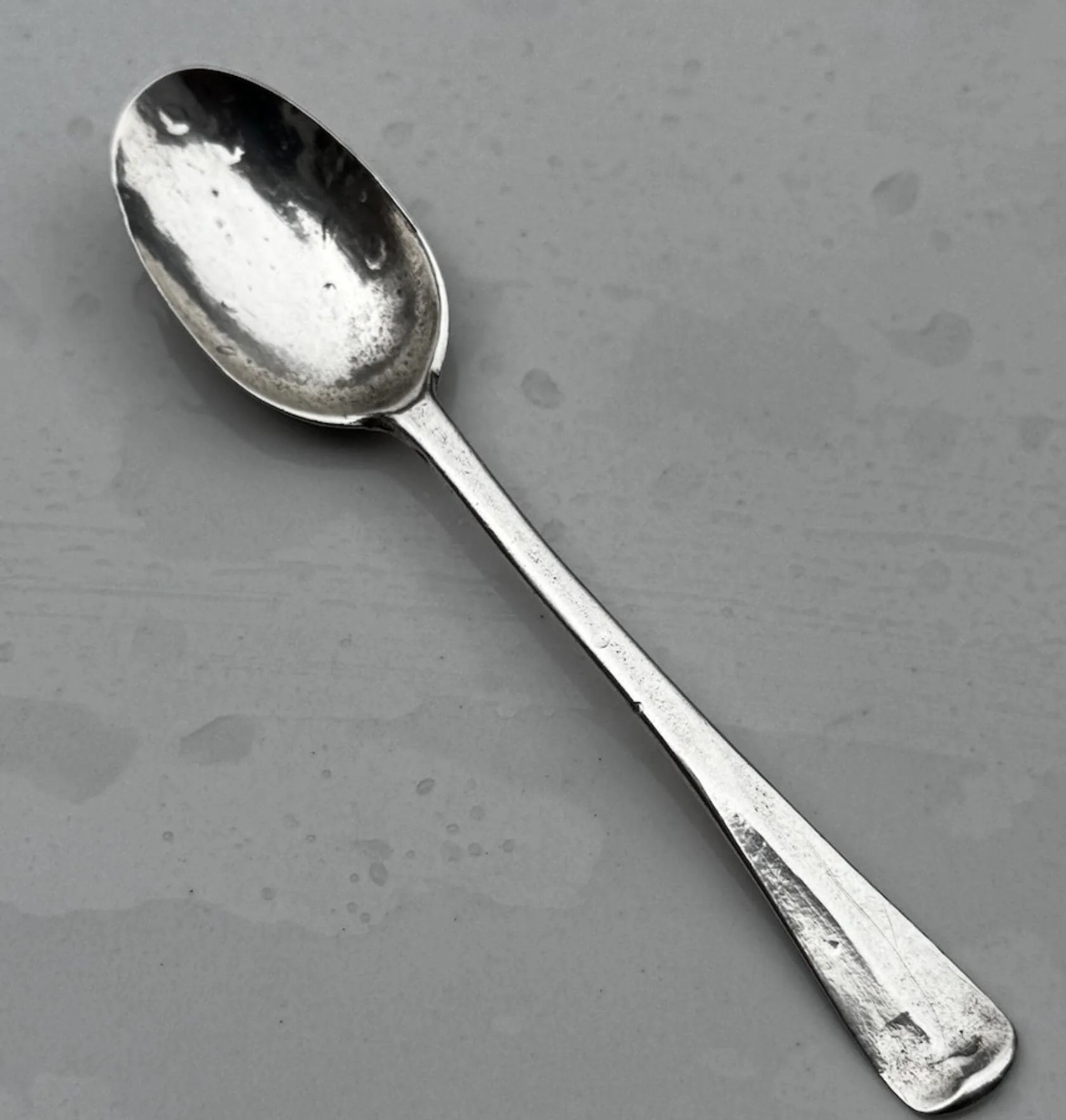 Image 1 of 5
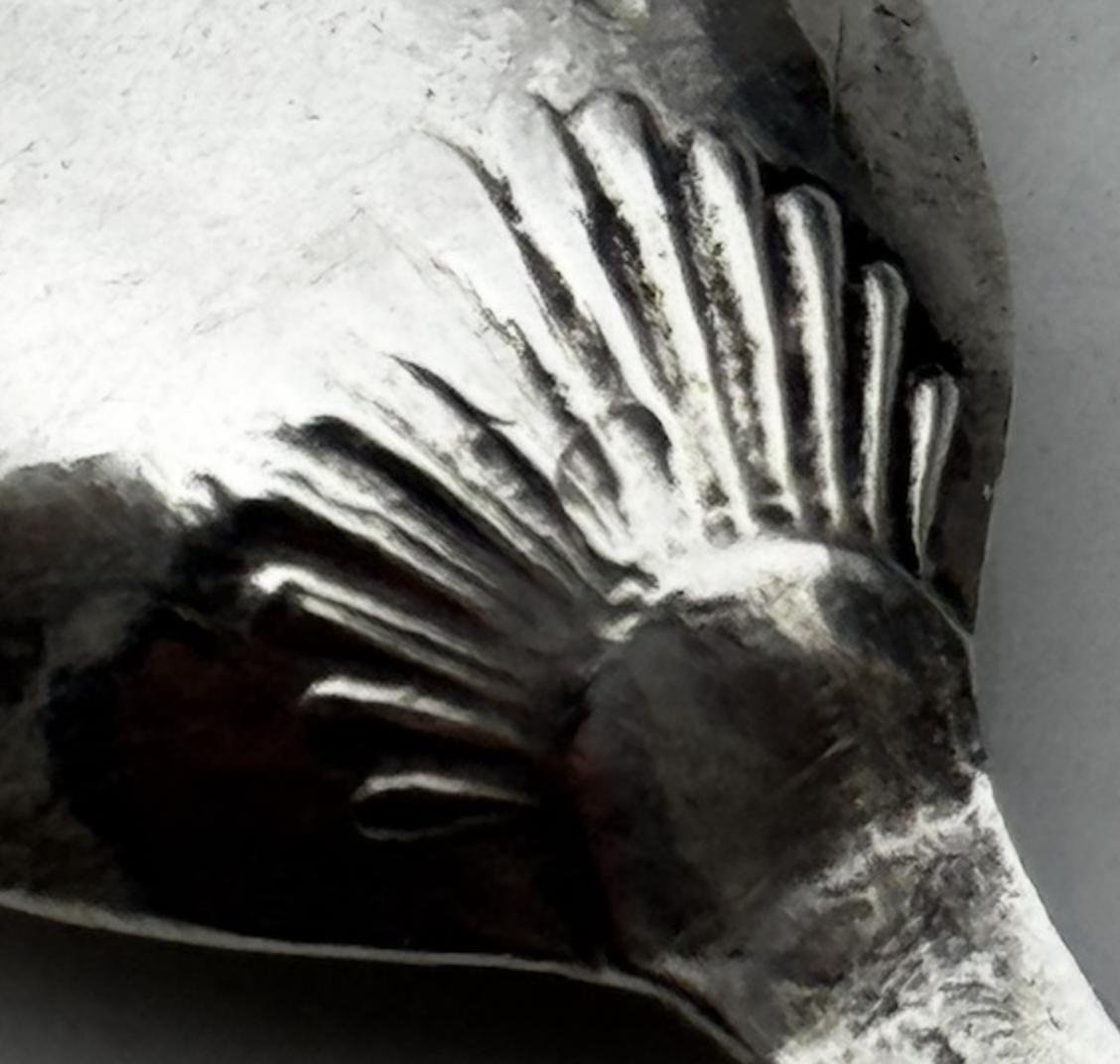 Image 2 of 5
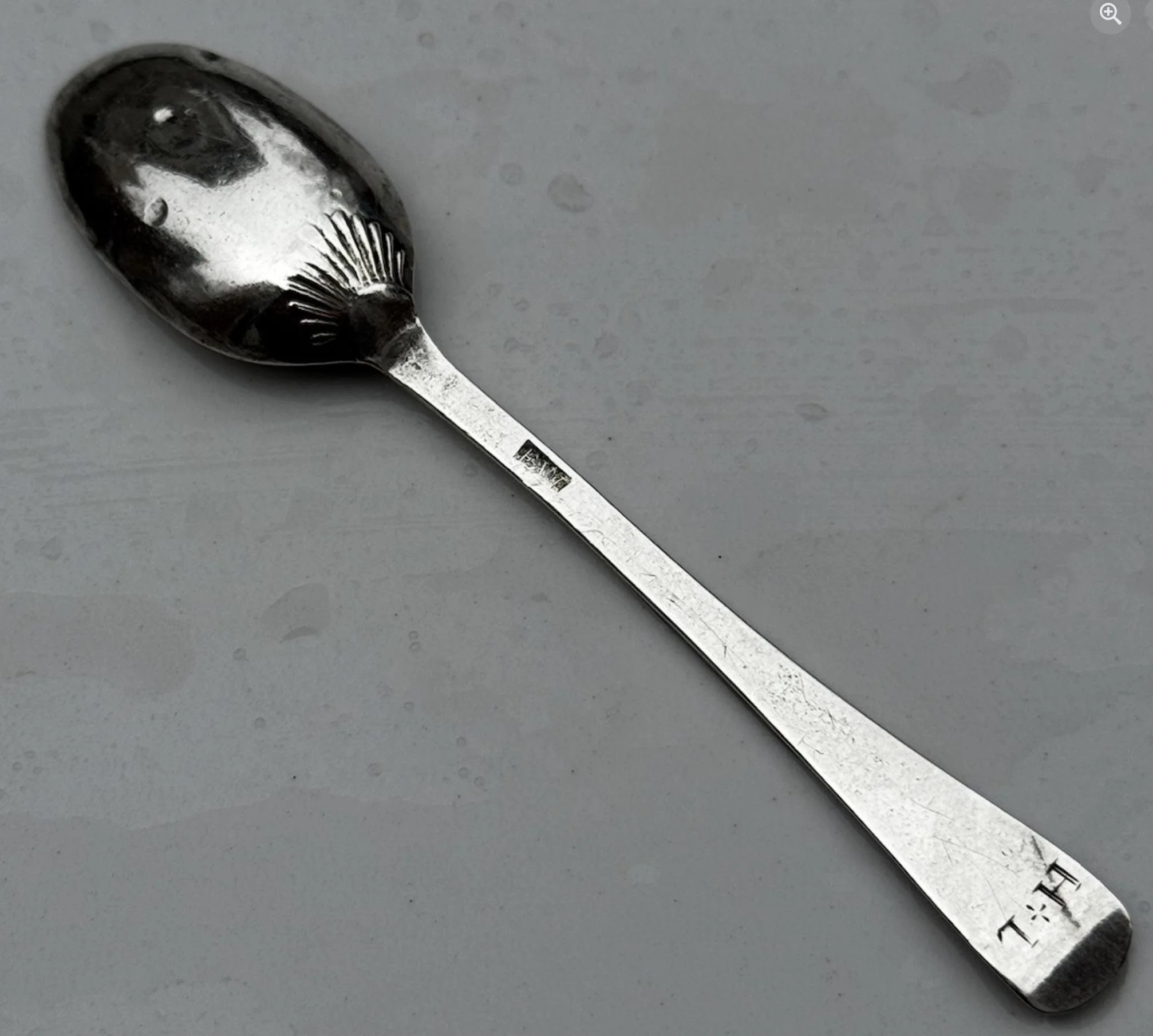 Image 3 of 5
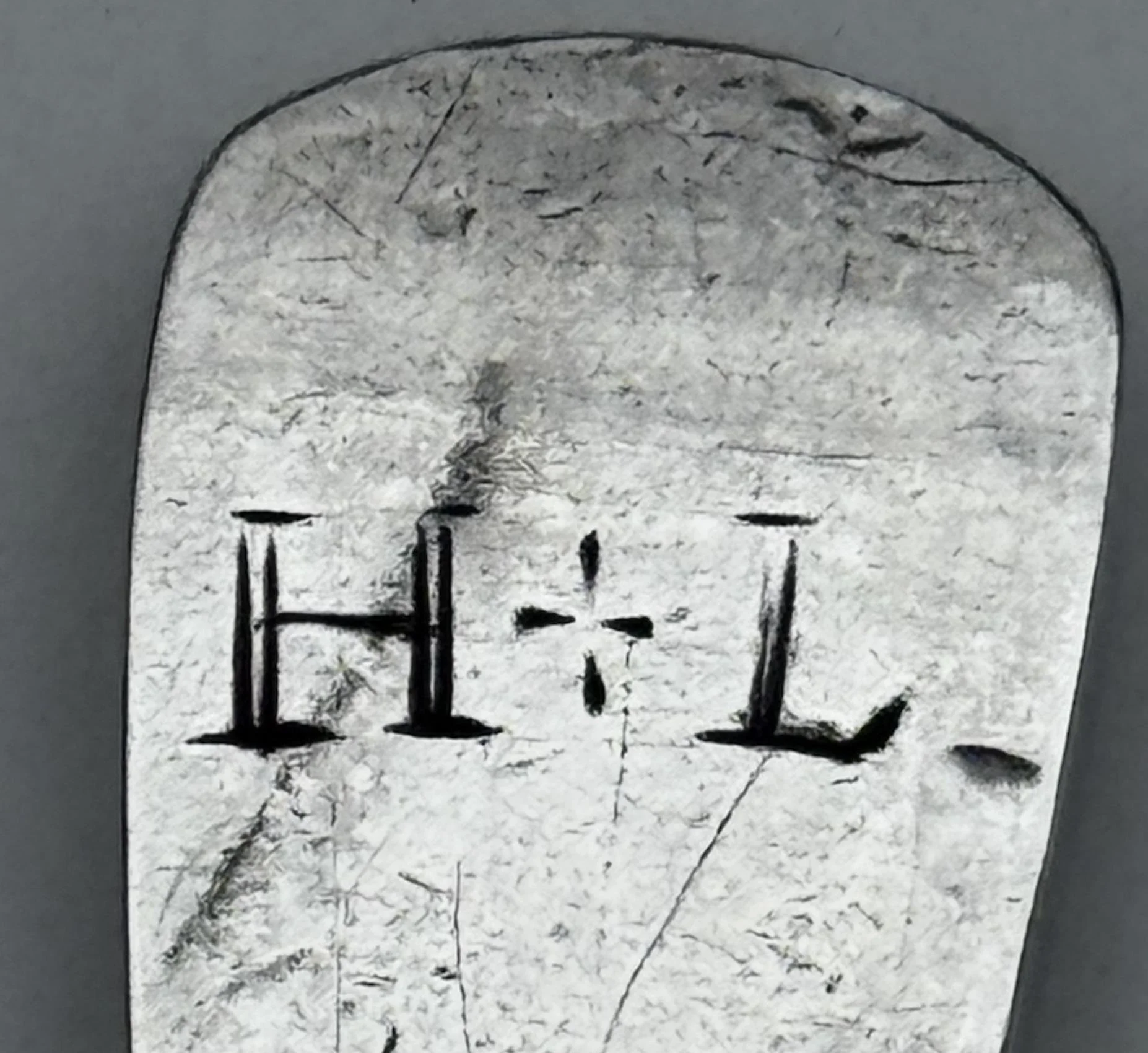 Image 4 of 5
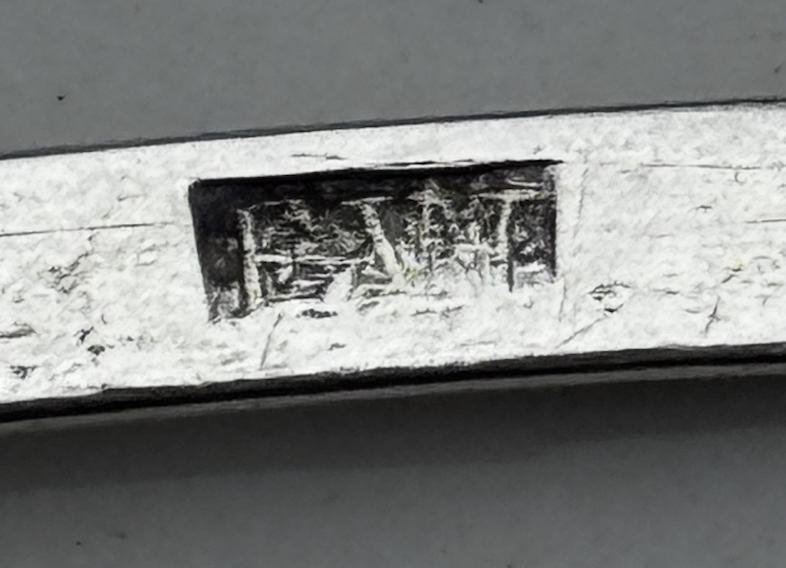 Image 5 of 5