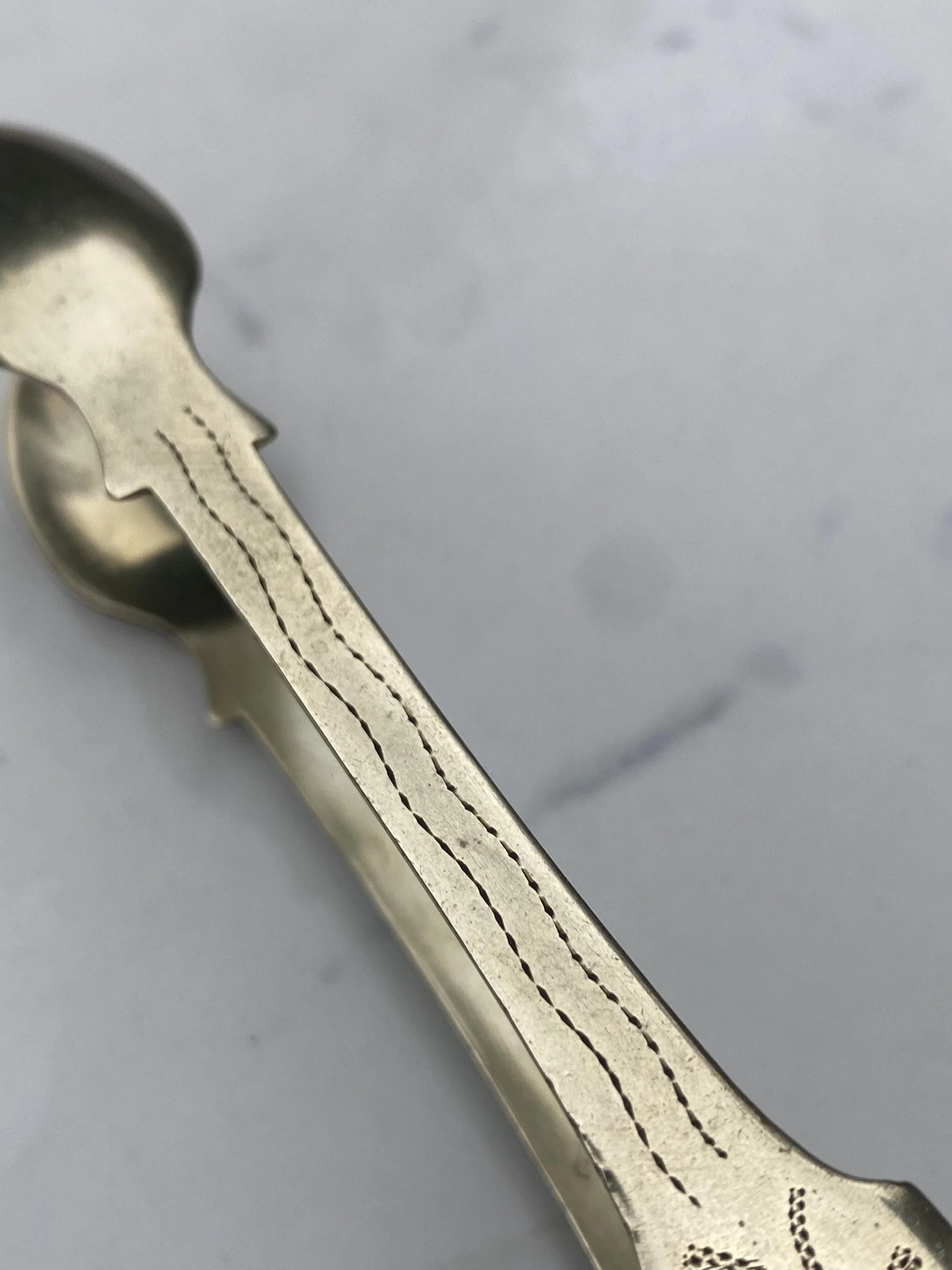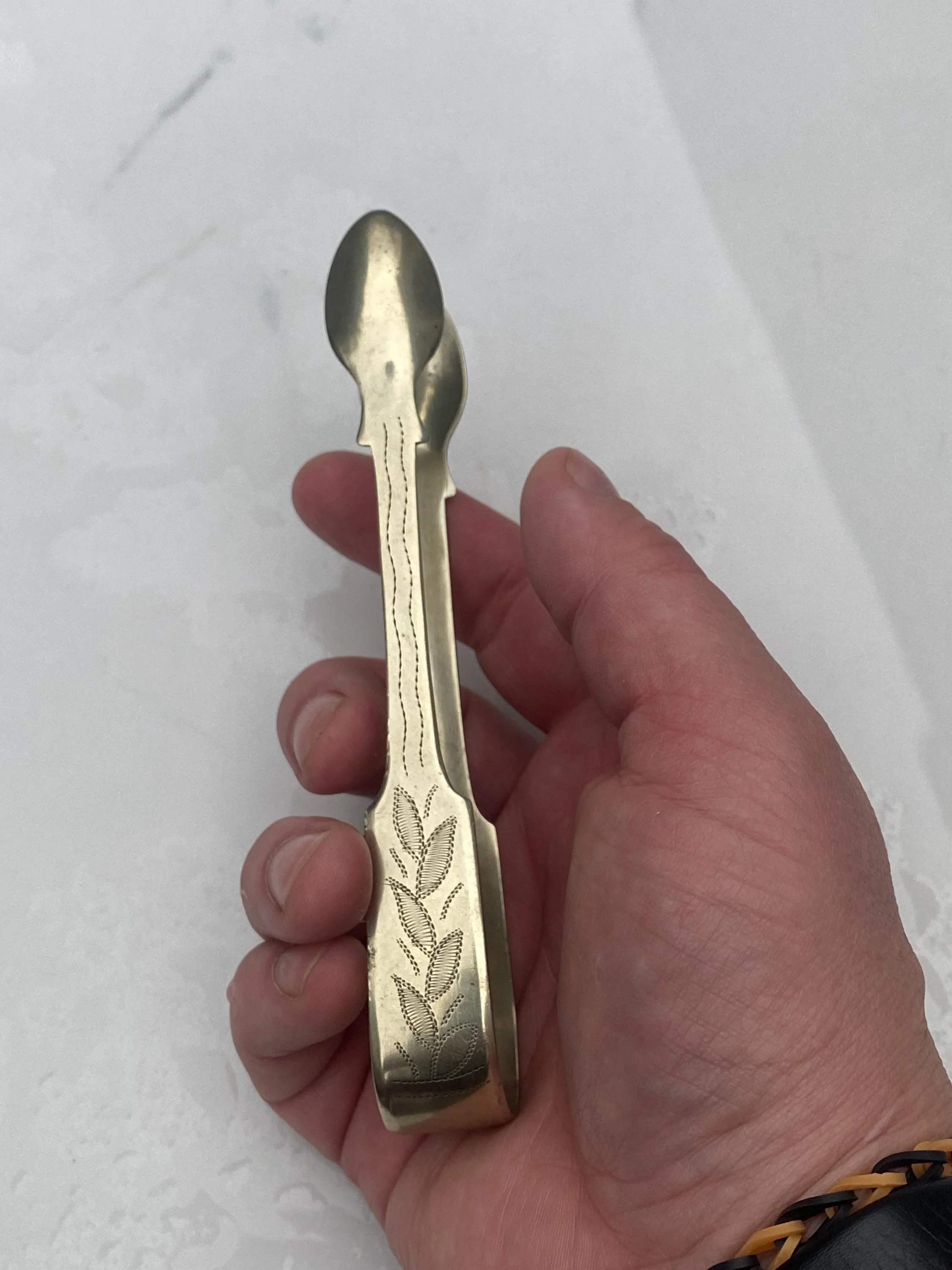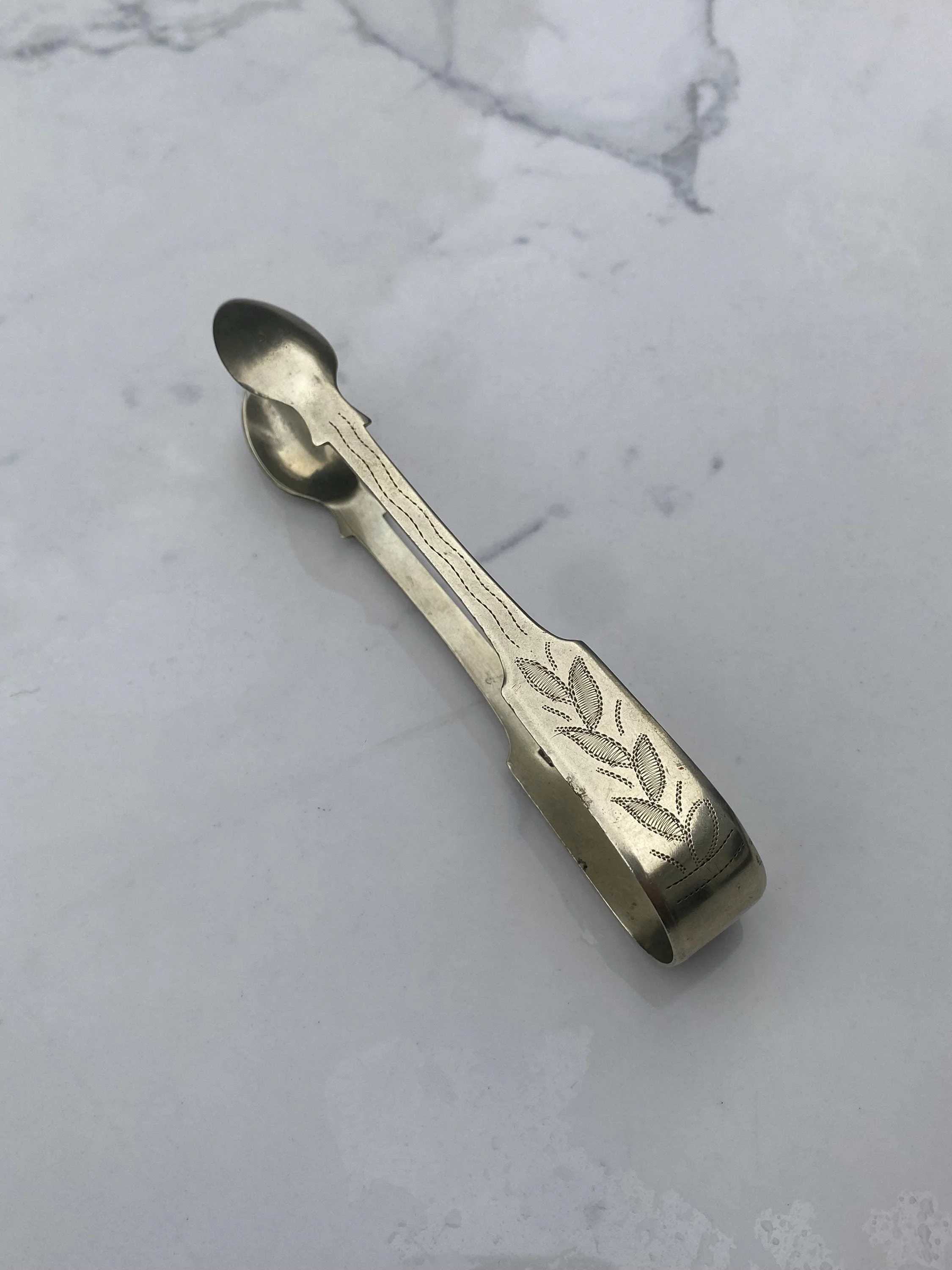
1812-50 William Parkin Sugar Tongs of Sheffield, England

$40.00
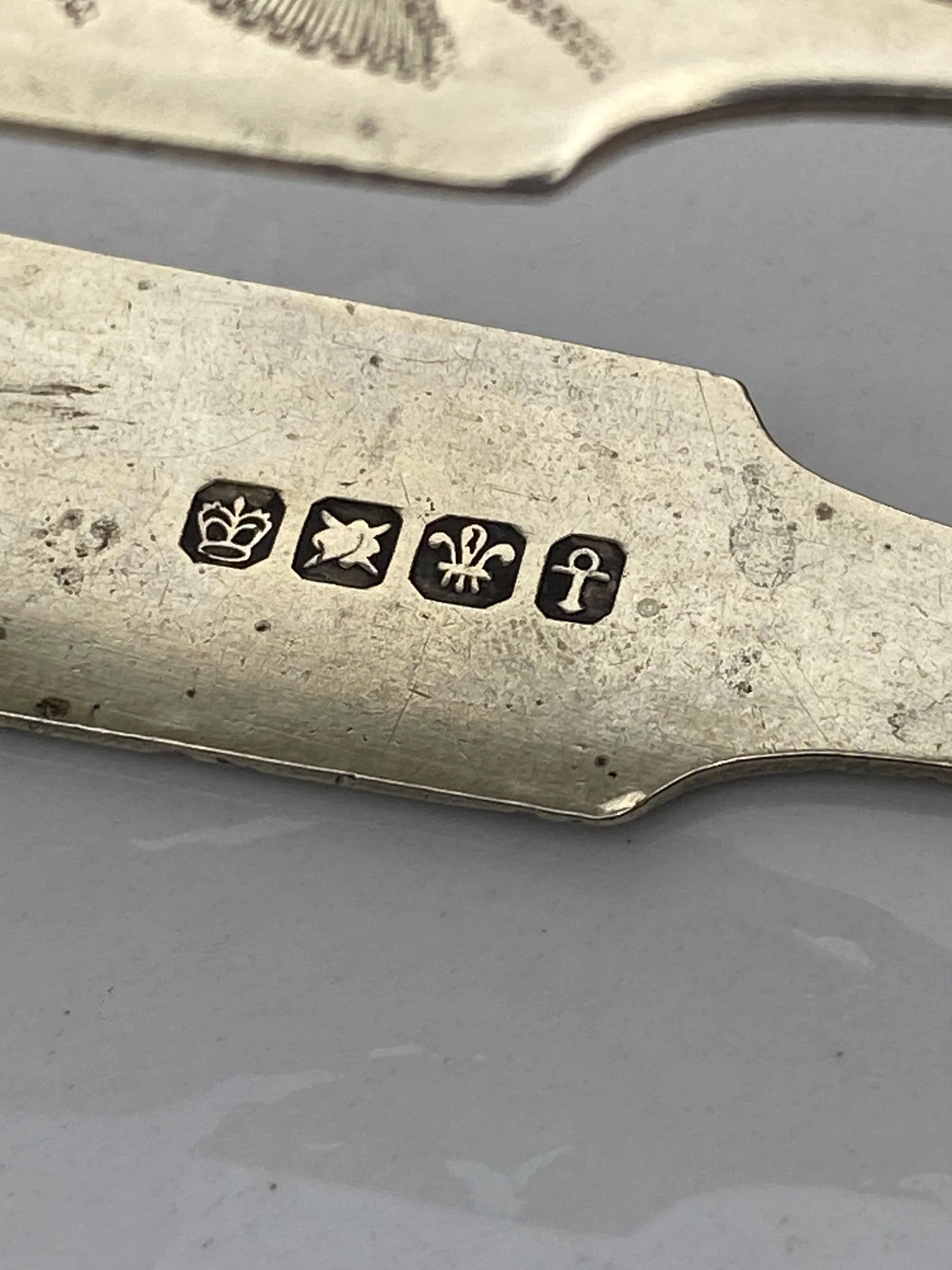
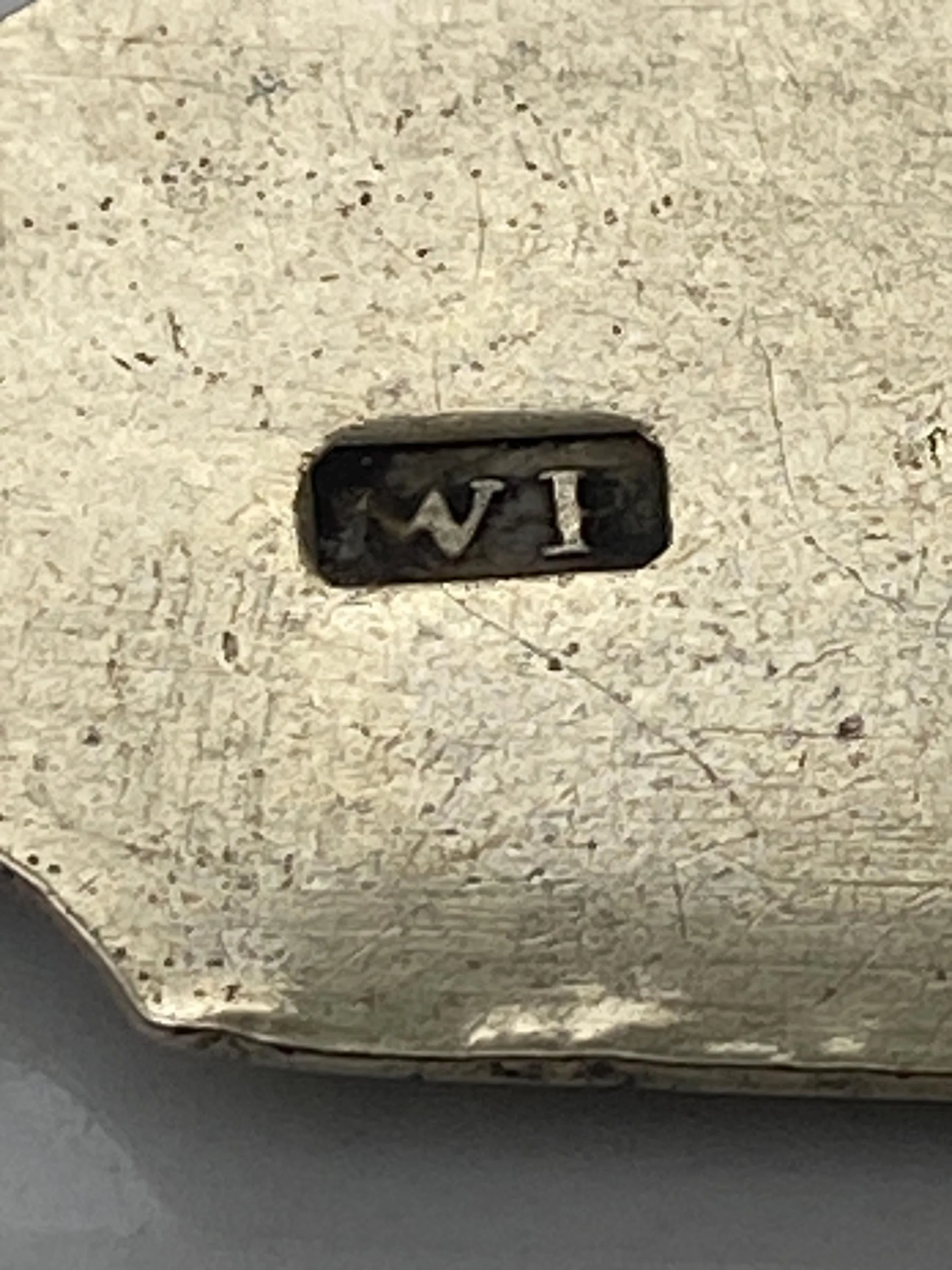
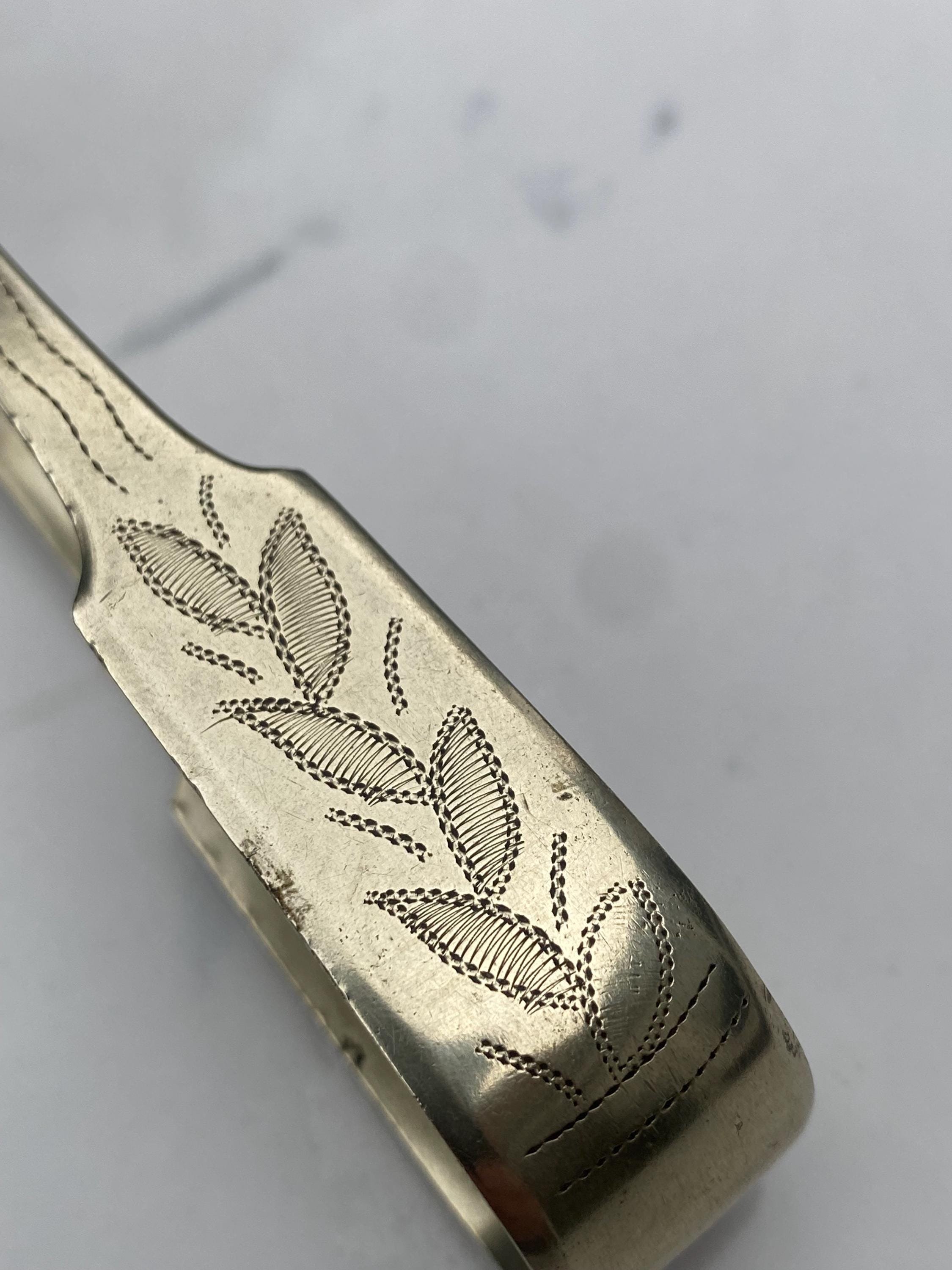
Britannia metal (metal alloy that is not silver) tongs by William Parkin with bright cut engraving and in good condition. William Parkin started the Sheffield-based company in 1812. Active at 2 Broomhall Lane and 6 Campo Lane as plater and Britannia metal manufacturer (1822). In 1849 at Sheaf Bank as Merchant & table knife manufacturer. The mark "WP" was used in the early stages of Parkin & Marshall. A cream pitcher by Parkin is in the Victoria and Albert Museum with a description that states, "Britannia Metal is an alloy consisting of between 92 and 97% tin with small amounts of antimony and copper. It could be cast, spun, hammered (raised or sunk), stamped, pierced, and engraved in ways other metals could not. From the 1840s, it was also used as a base for electroplate: an object with the mark EPBM on it denotes Electroplated Britannia Metal. Britannia Metal's cheapness and ubiquity often leave it overlooked in histories of the metal trades but it was subject to all the same design influences as other metals and put mechanised product-design in more homes than ever before." [Accession Number: M.33-2023] Length is: 5.75" Weight is: 44 grams Check out some of my other antiques: https://www.etsy.com/shop/DCSILVERSHOP?ref=search_shop_redirect§ion_id=6783279 Or just browse around the shop! https://www.etsy.com/shop/DCSILVERSHOP