1826 George IV by Rundell, Bridge & Rundell Sterling Silver Entrée Dish on OSP Stand (2294g)
A finely preserved and highly decorative George IV sterling silver entrée dish, made in 1826 by the preeminent royal goldsmiths Rundell, Bridge & Rundell, presented here with its associated Old Sheffield Plate (OSP) stand by J. Watson & Son.
The dish is of classic covered form, surmounted by an exceptional cast handle of naturalistic oak leaves and acorns—an enduring symbol of strength and lineage—executed with the sculptural quality expected from the leading workshop of the period. The stand is equally handsome, raised on scroll feet with refined floral flourishes, providing both visual balance and historical continuity.
The cover is engraved with a full set of marriage arms, crisply cut and well preserved, while the underside bears the corresponding crest of a horse’s head erased, bridled, and charged with a trefoil, a distinctive and traceable heraldic device. Each component is further engraved with the number “2,” indicating its place within a larger service.
With a substantial weight of 2,294 grams of sterling silver, this is a piece that combines presence, craftsmanship, and historical interest. The condition is excellent, with no erasures to the armorials and only the lightest signs of careful use.
A compelling example of early 19th-century English silver at its height—combining royal maker, heraldic significance, and elegant form.
Dimensions: 9" x 10" x 15"
Weight: 2,294 grams (sterling silver)
The maker of this piece, Rundell, Bridge, and Rundell, stands at the very summit of English silver in the early nineteenth century. As goldsmiths and jewellers to the Prince Regent—later King George IV—and subsequently to King William IV, the firm operated as the de facto luxury house of the British court during the height of the Regency period. Their clientele extended beyond royalty to include the leading aristocratic, political, and colonial families of the day, making their workshop the source for some of the most ambitious and refined silver produced in Britain.
A central figure in their success was Paul Storr, widely regarded as the greatest English silversmith of the period, who worked in partnership with the firm during its most celebrated years. Many objects bearing the Rundell name were executed by Storr or under his direction, and even after his departure, the standard of design and craftsmanship established during his tenure remained exceptionally high. The firm’s work is distinguished by its sculptural quality, balanced proportions, and superb finishing—qualities evident in the present entrée dish, from its naturalistic oak and acorn handle to the deeply and confidently engraved armorials.
Today, silver by Rundell, Bridge, and Rundell is regarded not simply as fine Georgian craftsmanship, but as a category of collecting in its own right. Their pieces consistently command a premium over comparable London silver, reflecting both the prestige of their royal patronage and the enduring influence of their workshop. Objects such as this—substantial in weight, rich in heraldic detail, and firmly within the firm’s peak period—represent the kind of silver made for important households and significant occasions, and remain highly sought after by collectors who recognize the maker’s singular place in the history of English decorative arts.
Check out some of my other UK sterling silver here:
https://www.etsy.com/shop/DCSILVERSHOP?ref=search_shop_redirect§ion_id=6409956
Or just browse around the shop!
https://www.etsy.com/shop/DCSILVERSHOP
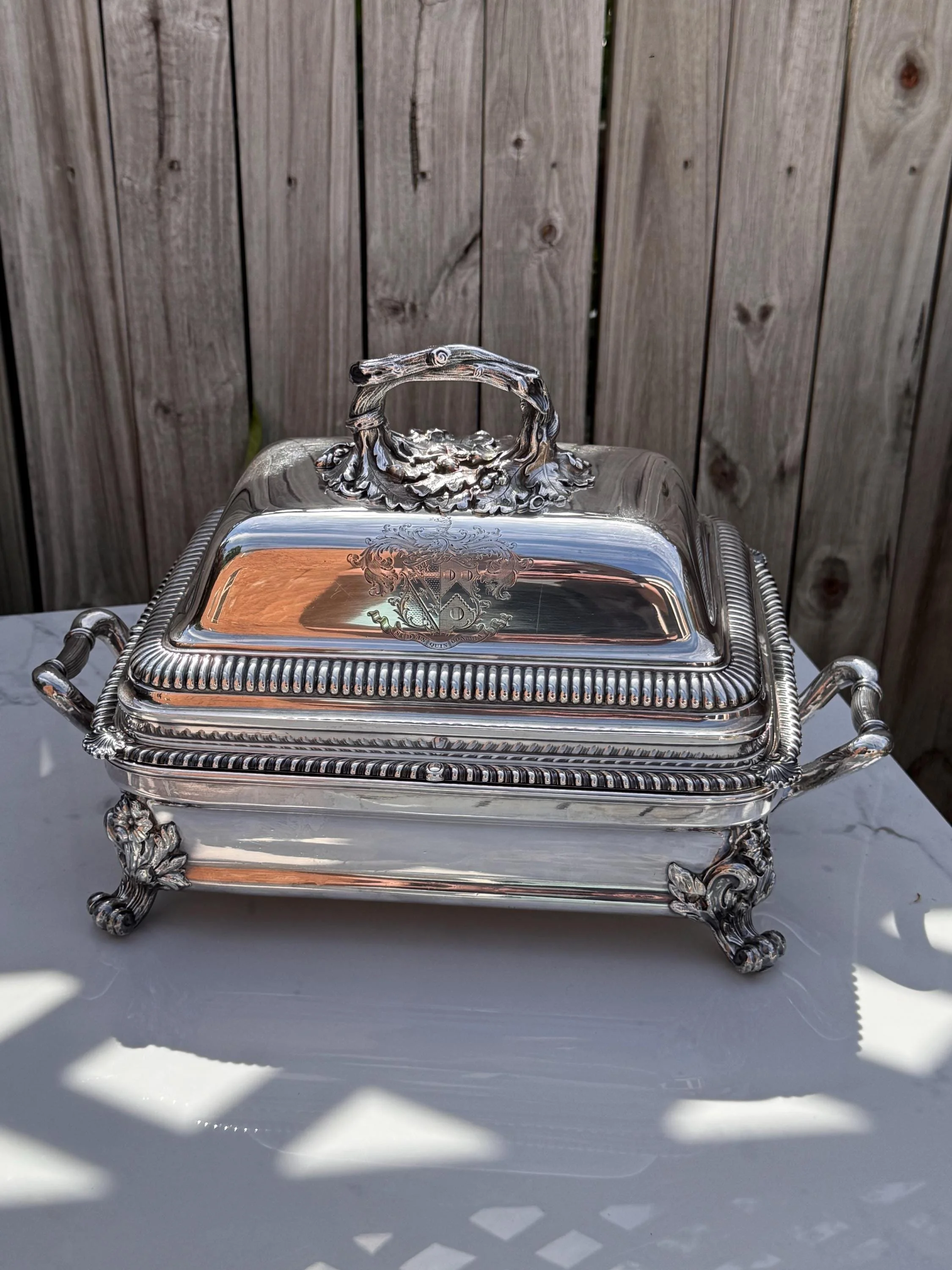 Image 1 of 10
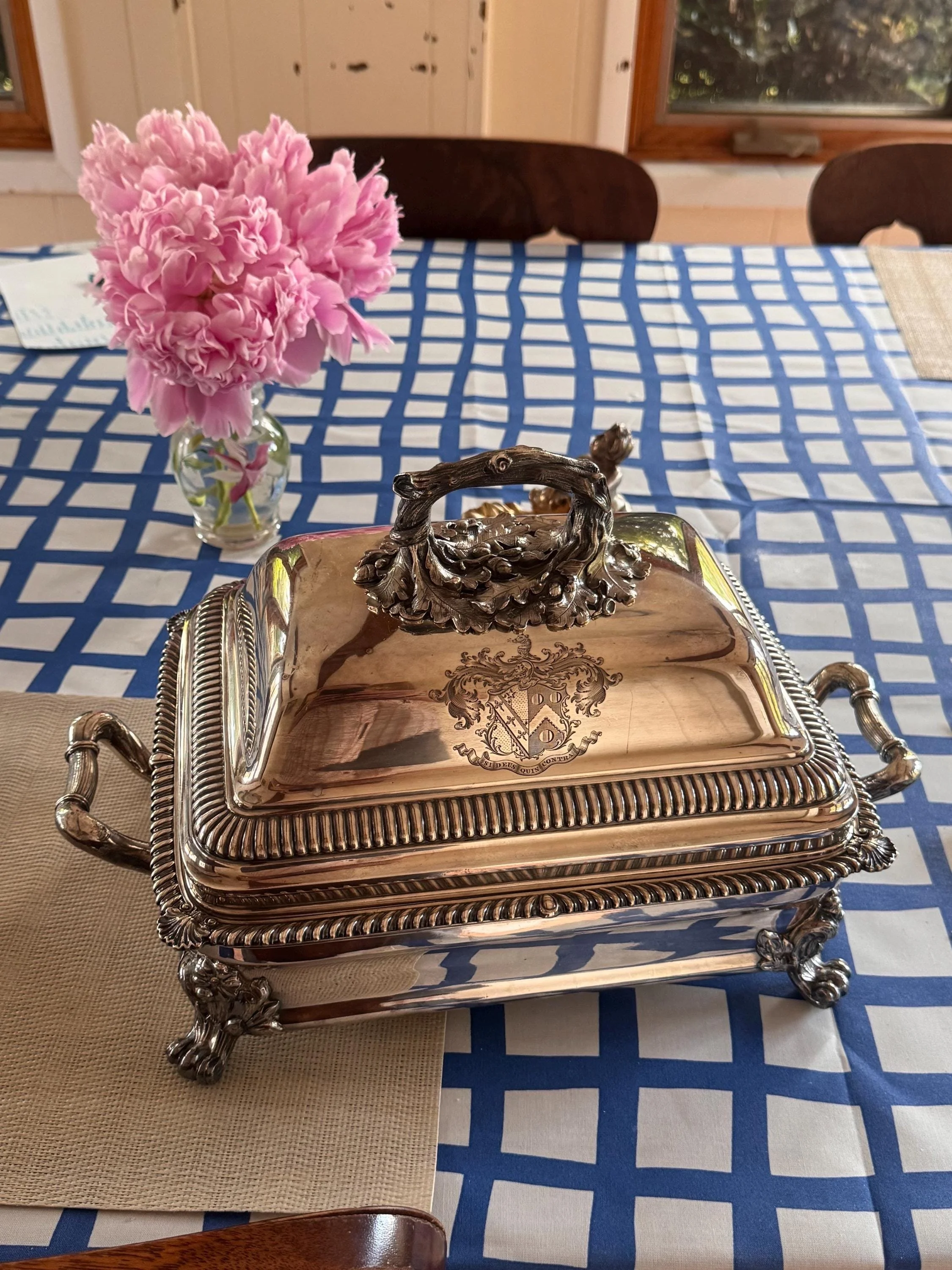 Image 2 of 10
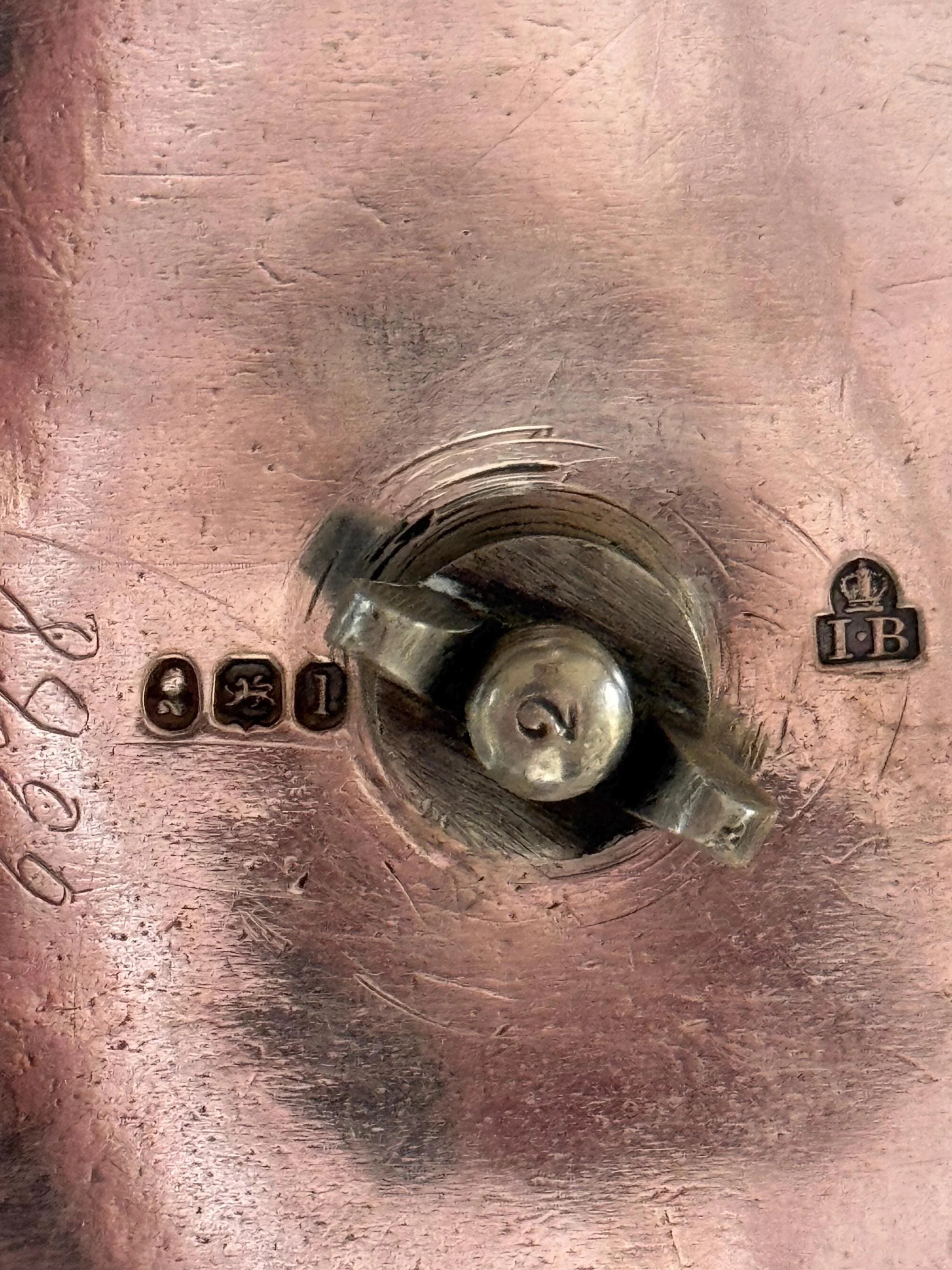 Image 3 of 10
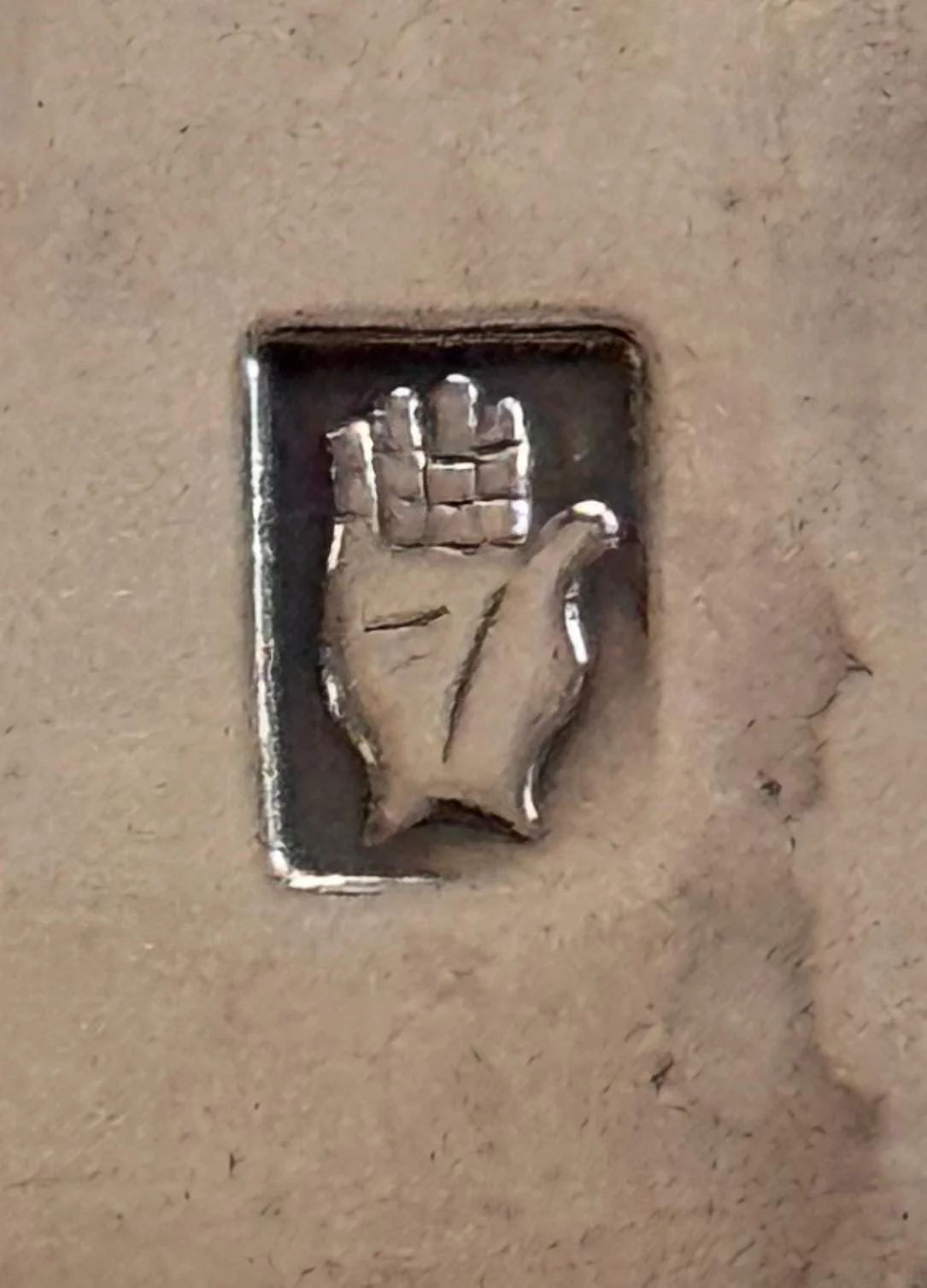 Image 4 of 10
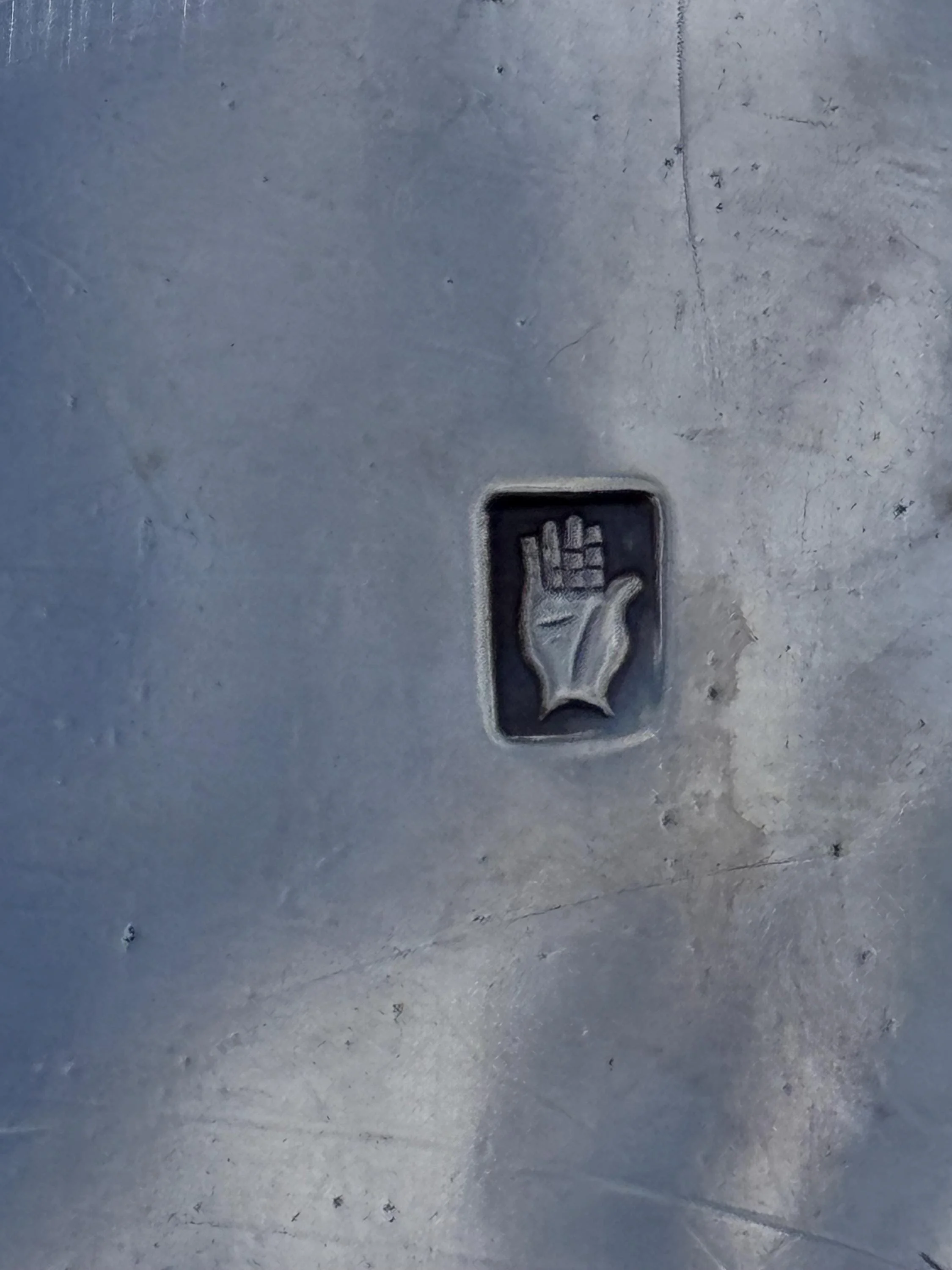 Image 5 of 10
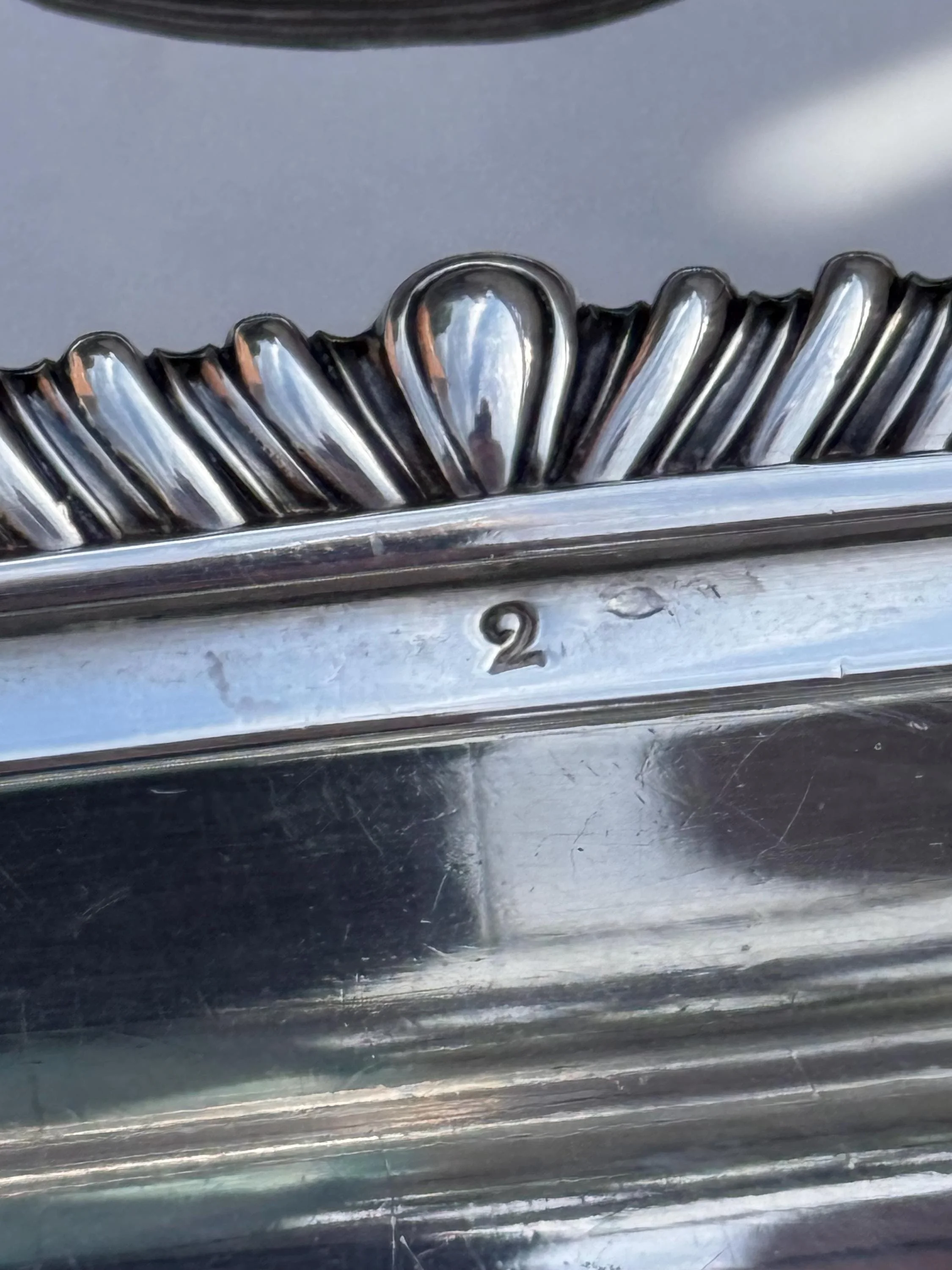 Image 6 of 10
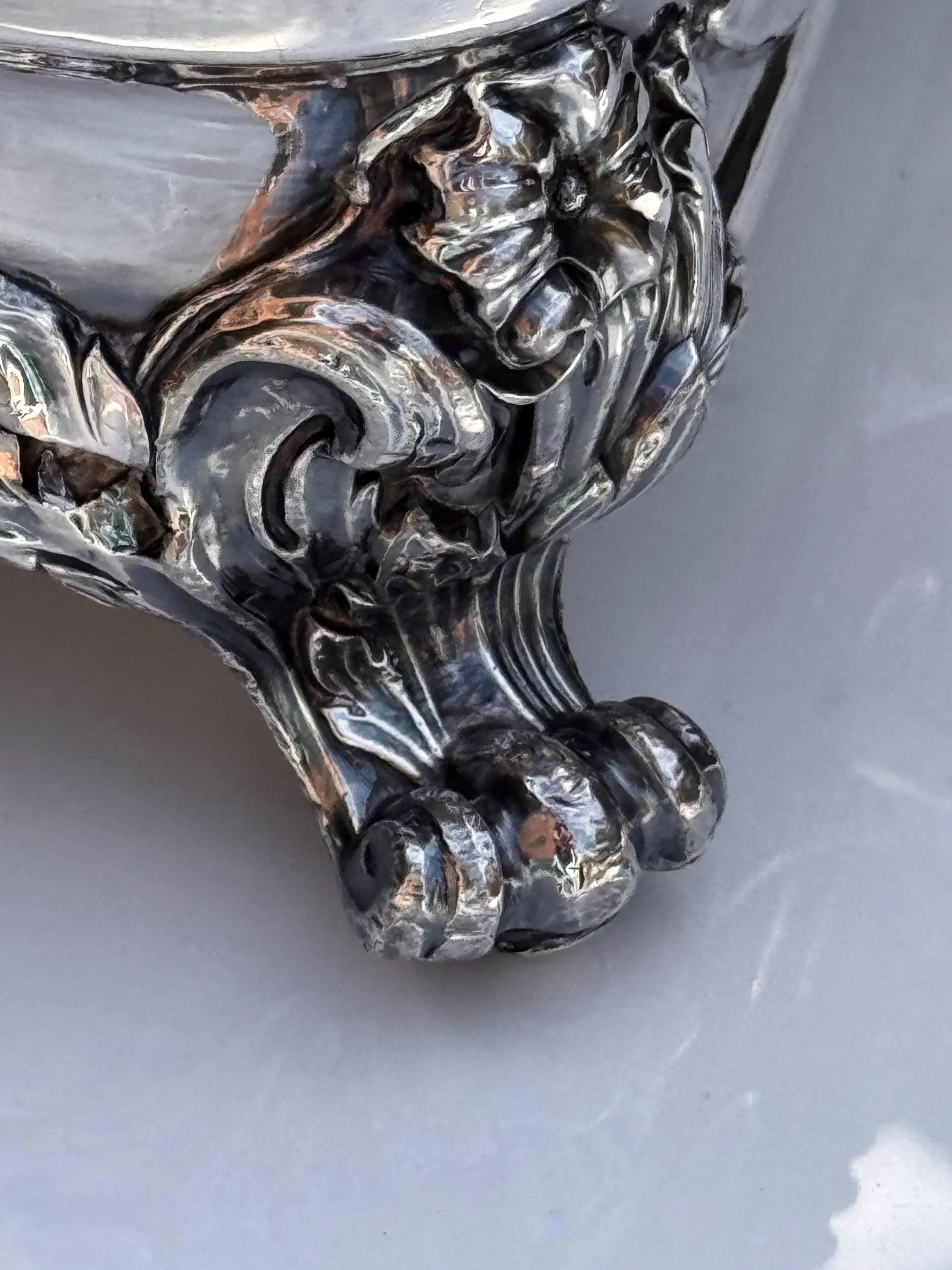 Image 7 of 10
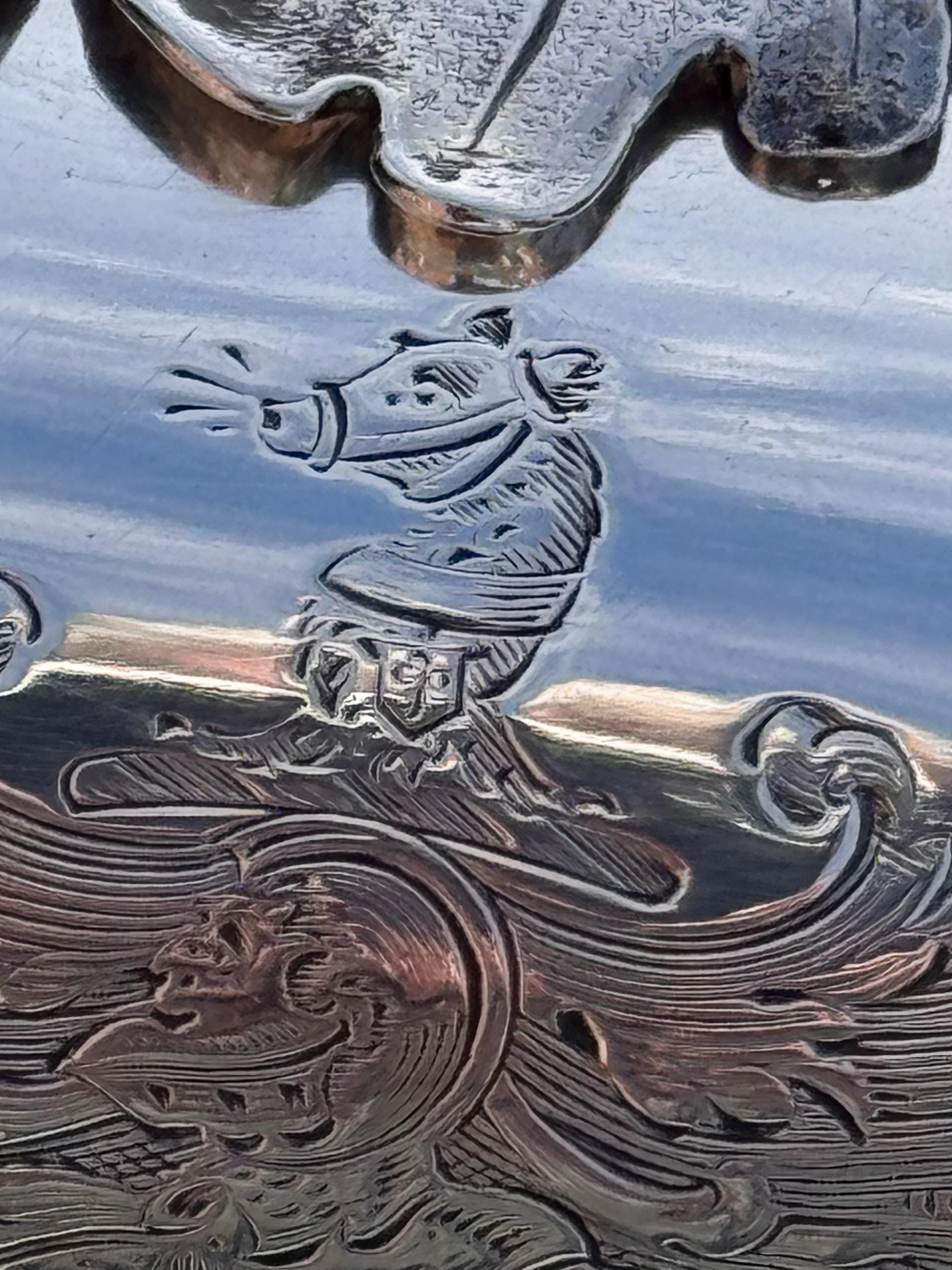 Image 8 of 10
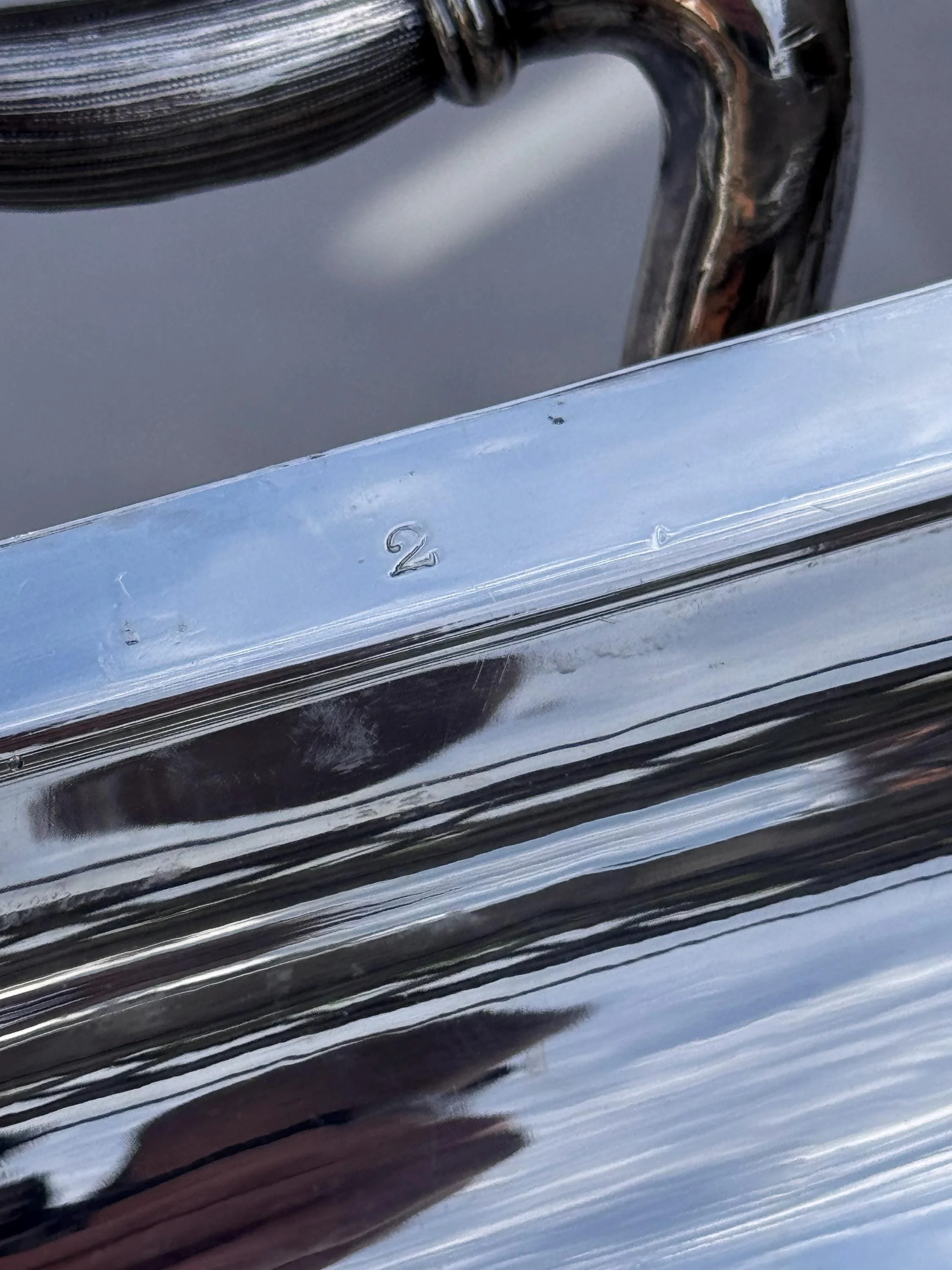 Image 9 of 10
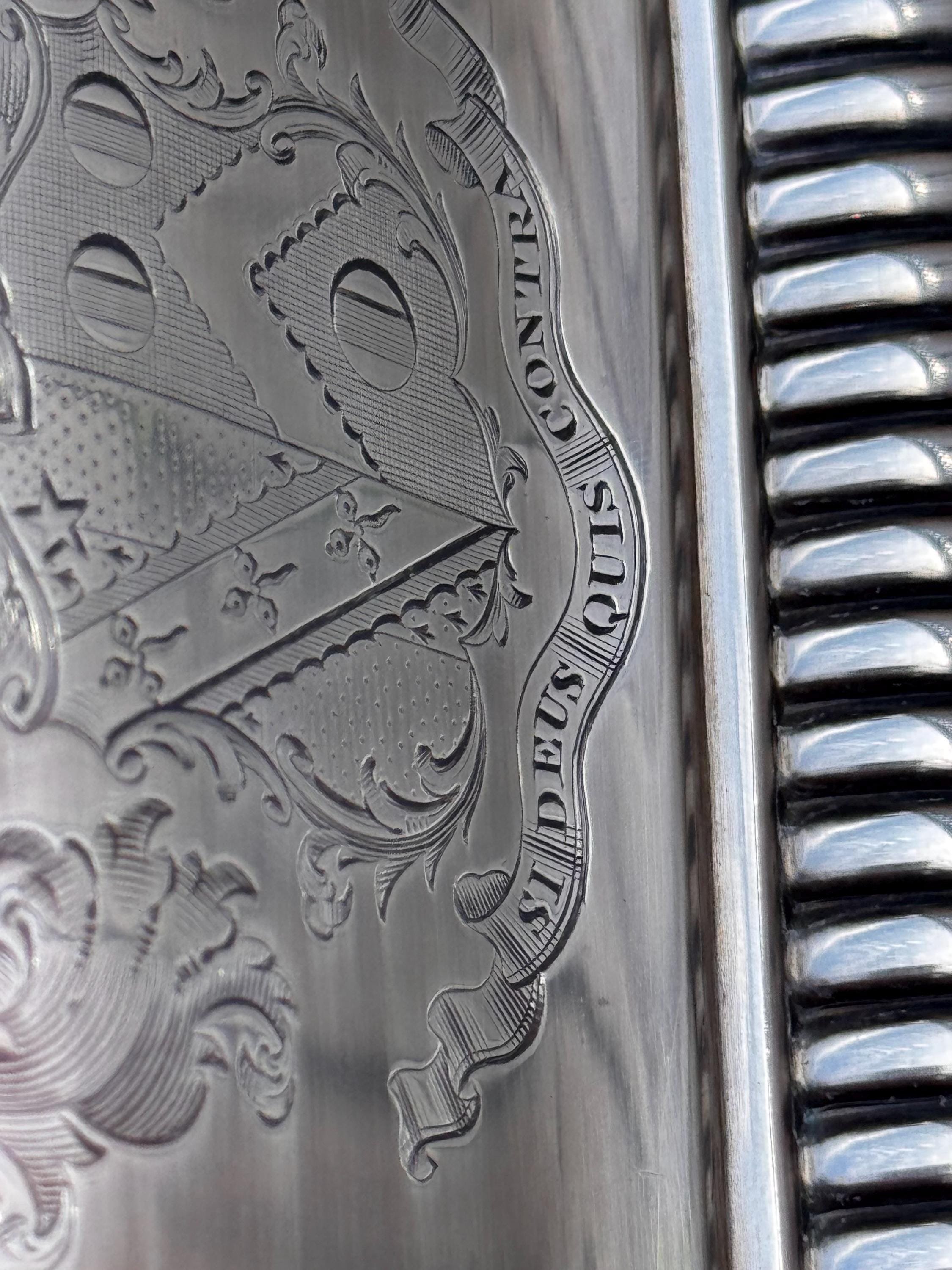 Image 10 of 10