1842–1853 Rare William Monroe Sehorn American Coin Silver Butter Knife – Athens, Tennessee (28 g)
A highly unusual and apparently very rare piece of Tennessee coin silver flatware by William Sehorn of Athens, Tennessee, dating probably to the mid-19th century, circa 1842–1860. This is an exceptionally interesting right-handed butter knife, evidently converted from an earlier spoon or spoon-like utensil at some point in its history. Rather than a conventional knife blade, the flattened and elongated former bowl retains the characteristic asymmetry of its original form: the right edge follows the long, gentle curve of the spoon bowl, while the opposite edge has been worked into a distinctive wavy profile terminating in a soft point. The result is an eccentric but remarkably successful piece of utilitarian flatware that preserves evidence of an earlier form beneath the later modification.
The handle is typical, with a diamond-point shoulder and early-form terminal. On the reverse are two separate cartouches bearing Sehorn's name and his distinctive eagle mark, providing particularly compelling attribution to William Sehorn. Sehorn was a silversmith working in Athens, Tennessee, and surviving examples of his coin silver are scarce; an unusual knife of this type is considerably more difficult to encounter than conventional examples of his flatware. The combination of documented maker, early Tennessee coin silver, unusual form, and visible evidence of an historical alteration makes this an especially appealing piece for the collector of Southern silver or American coin silver.
Cathy Hollan mentions in her book Eagle Marks on American silver that this eagle mark, wings displayed, left facing on a mound originated in Philadelphia, with R & W Wilson speculated to be the possible original manufacturer. While she does not have an example of the Sehorn/Eagle marks, she mentions it stating that it was earlier noted by Caldwell and McGrew. Caldwell presents a lengthy discussion about Sehorn and shows the mark in his book Tennessee Silversmiths. He is said to have made in 1842 "a cup from silver premiums presented at the county fair". It is fair to say then that he had a habit of modifying spoons. the modifications of this one presents as well executed by someone who knew how to put hammer to anvil and had an understanding of silversmithing.
Maker: William Sehorn, Athens, Tennessee
Date: Probably c. 1842–1860
Material: American coin silver
Form: Right-handed butter knife, apparently converted from a spoon
Marks: SEHORN and eagle mark, each in a separate cartouche, on handle reverse
Length: 8 inches
Weight: 28 grams
Condition: Very good antique condition, with the historical alteration and associated working of the bowl forming an integral part of the object's character.
A wonderfully idiosyncratic survivor of early Southern silversmithing—part spoon, part knife, and an unusually tangible record of how silver flatware was adapted and reused in the 19th-century American household.
Price is firm.
Check out some of my other sterling silver flatware here:
https://www.etsy.com/shop/DCSILVERSHOP?ref=search_shop_redirect§ion_id=7399760
Or just browse around the shop!
https://www.etsy.com/shop/DCSILVERSHOP
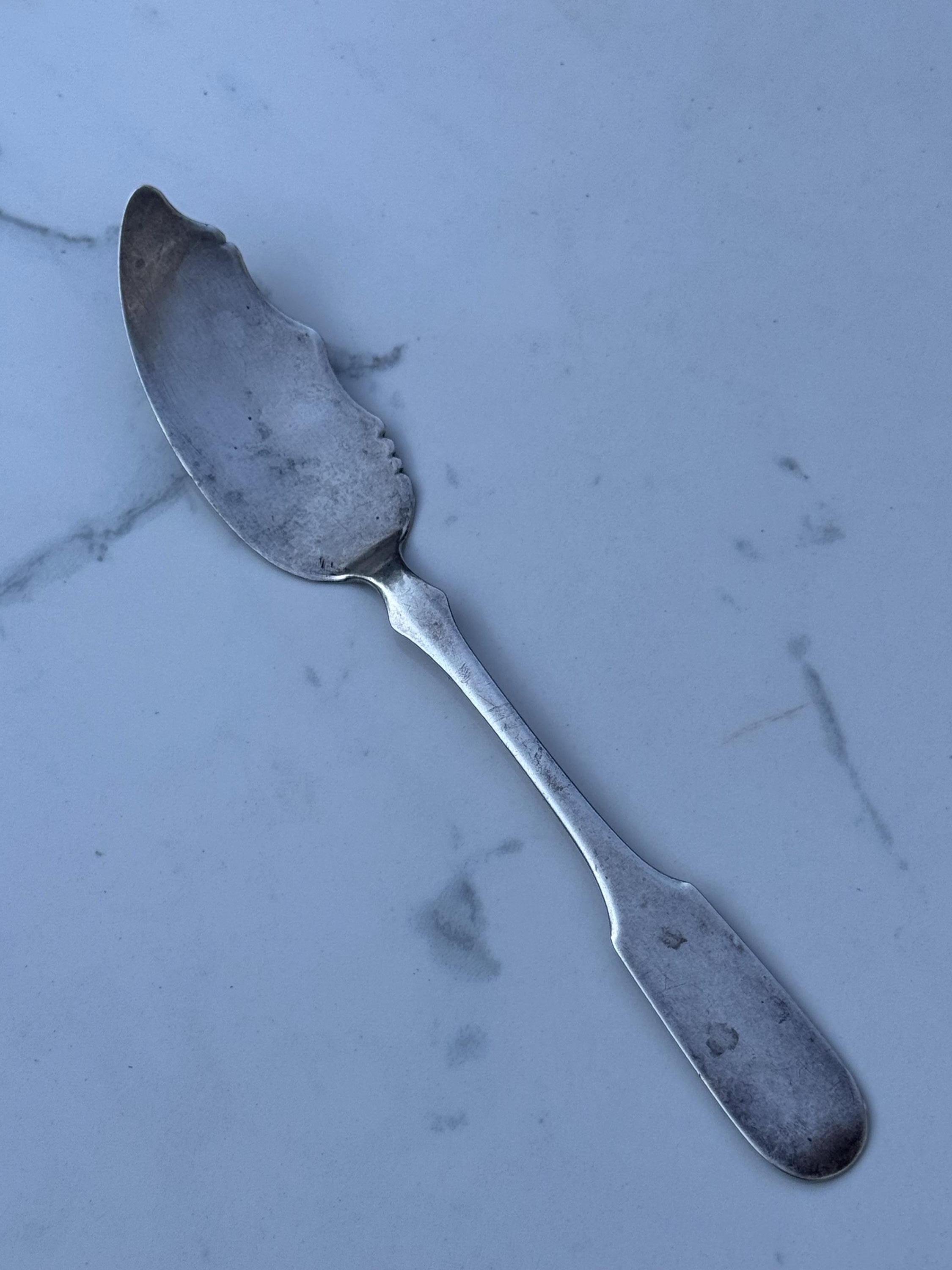 Image 1 of 10
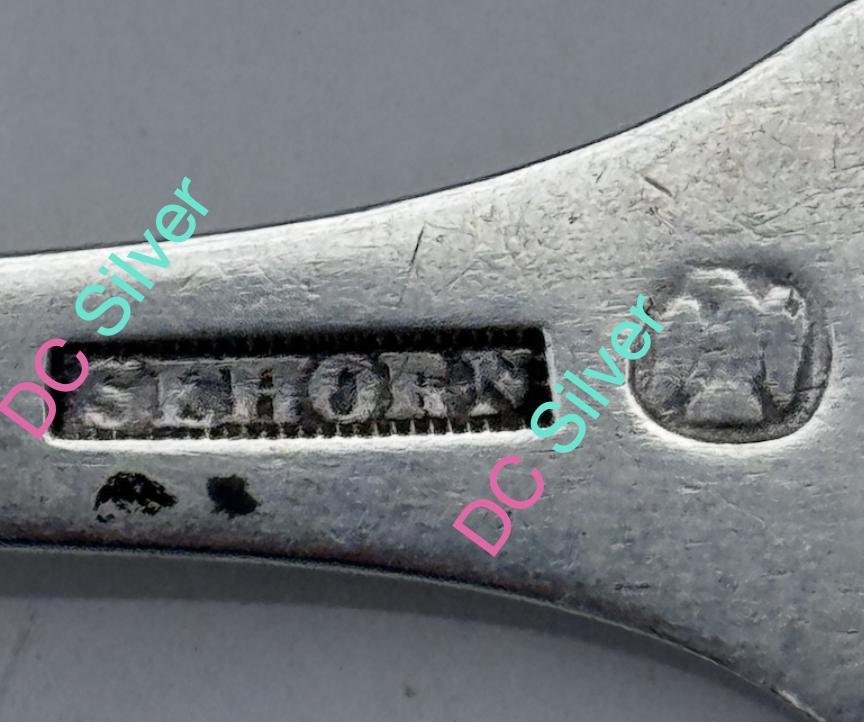 Image 2 of 10
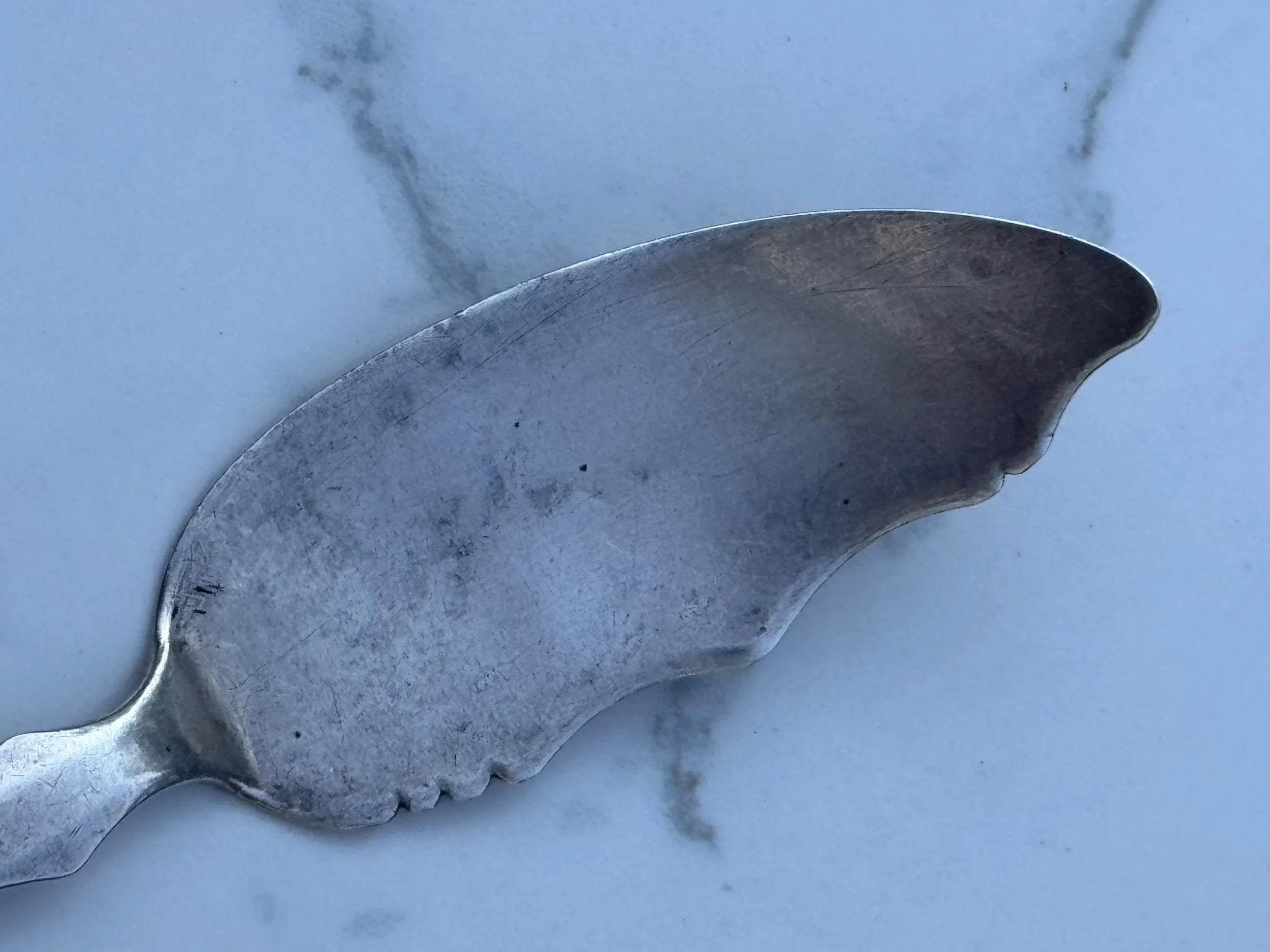 Image 3 of 10
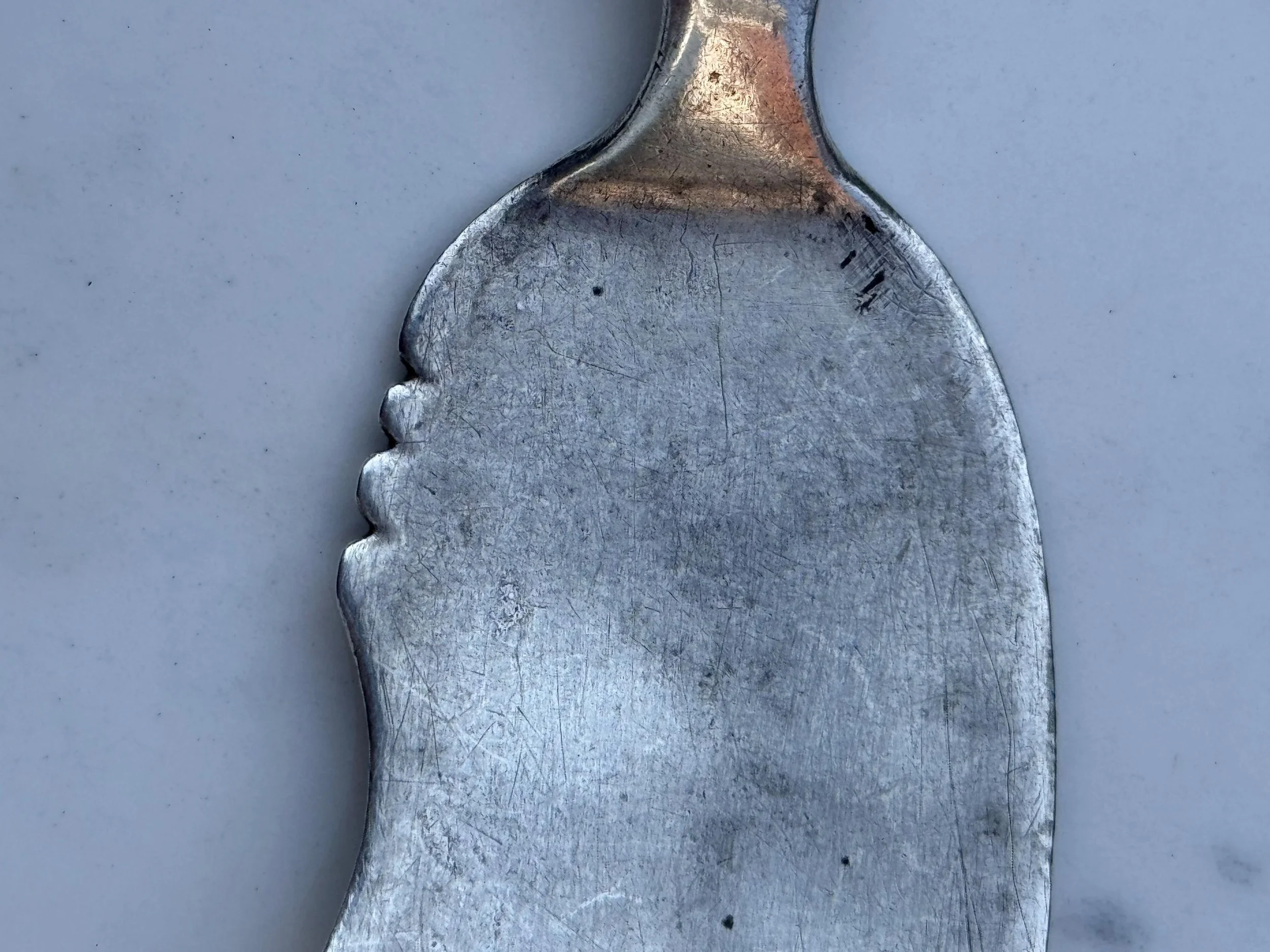 Image 4 of 10
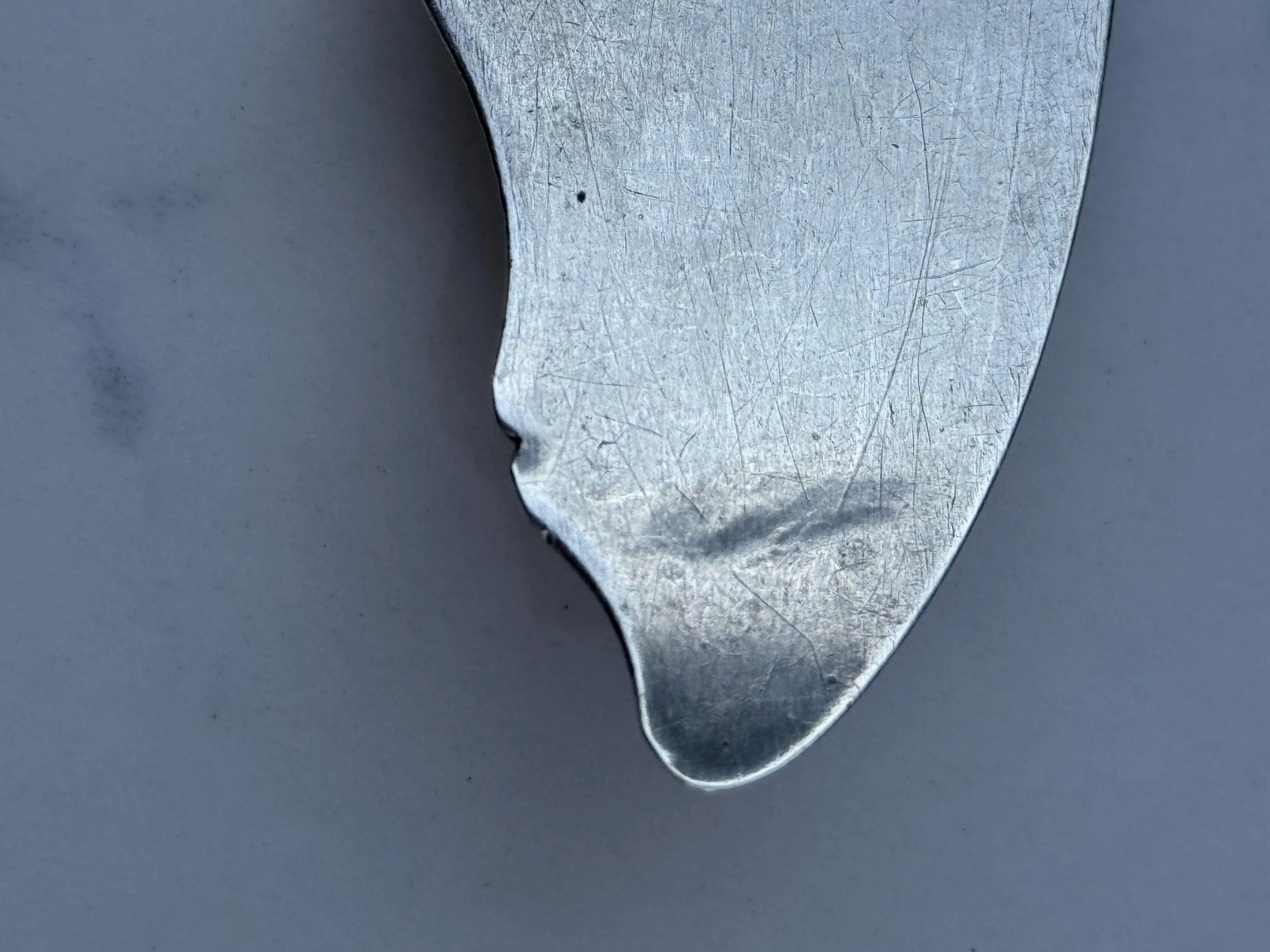 Image 5 of 10
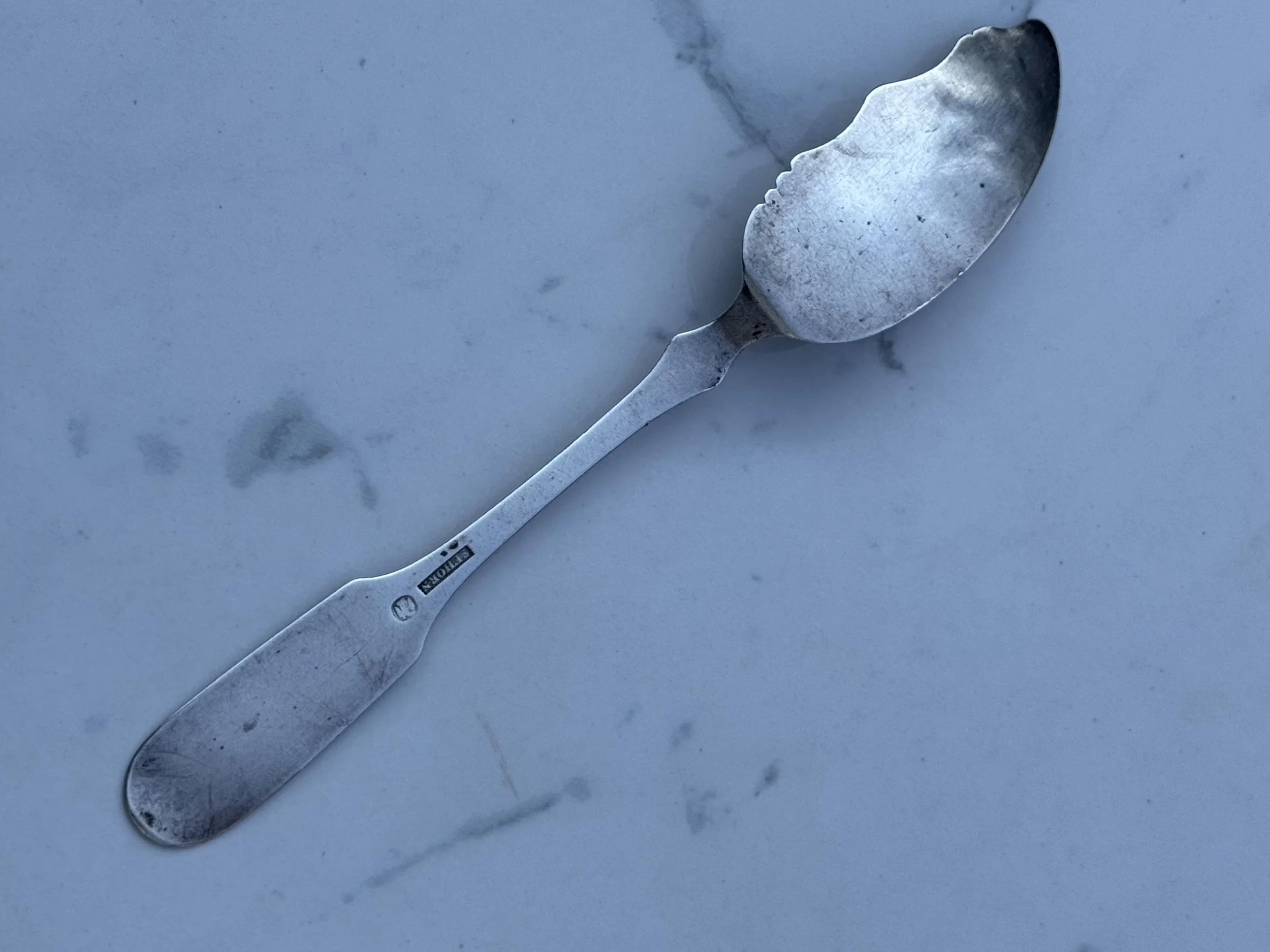 Image 6 of 10
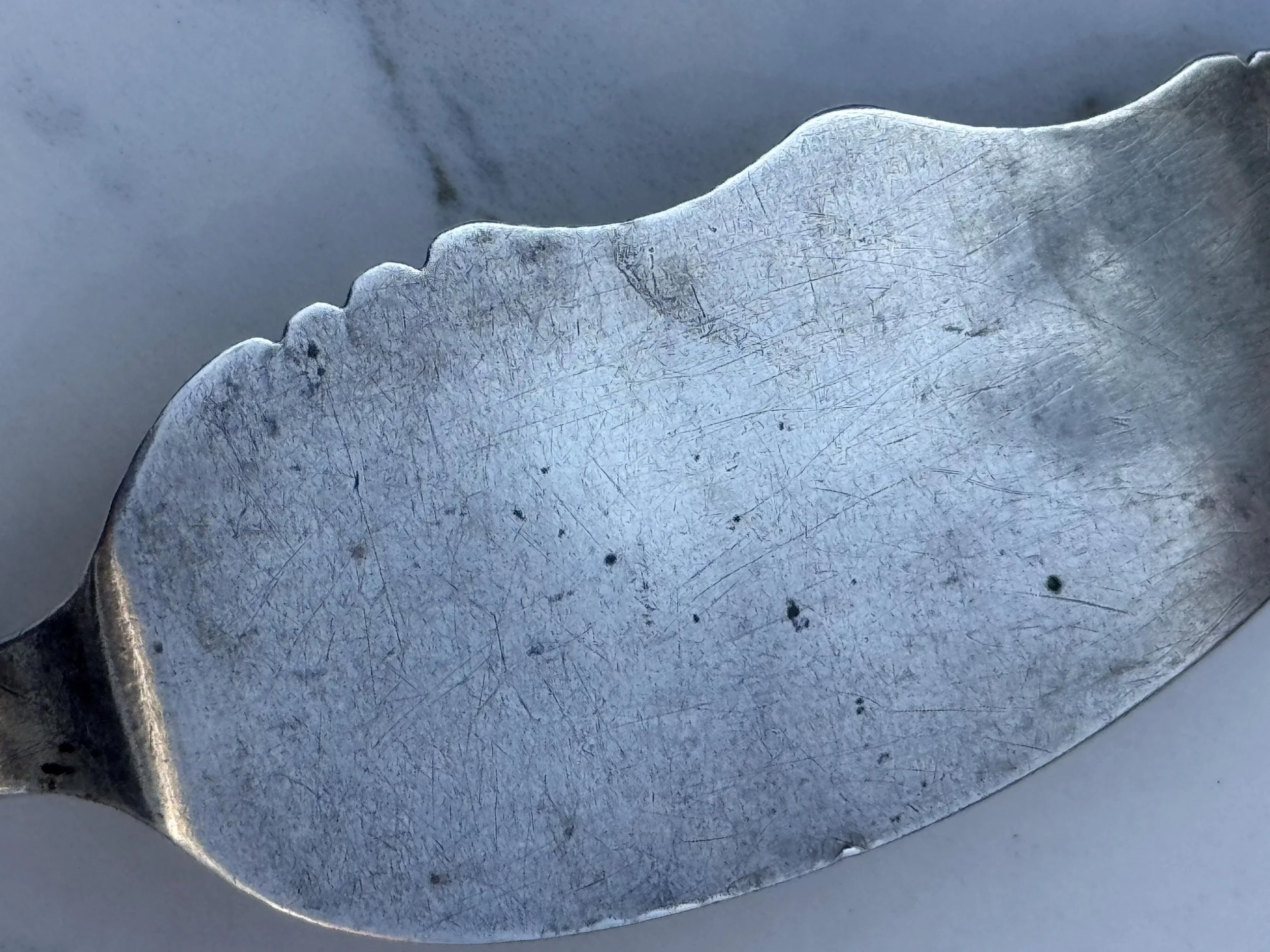 Image 7 of 10
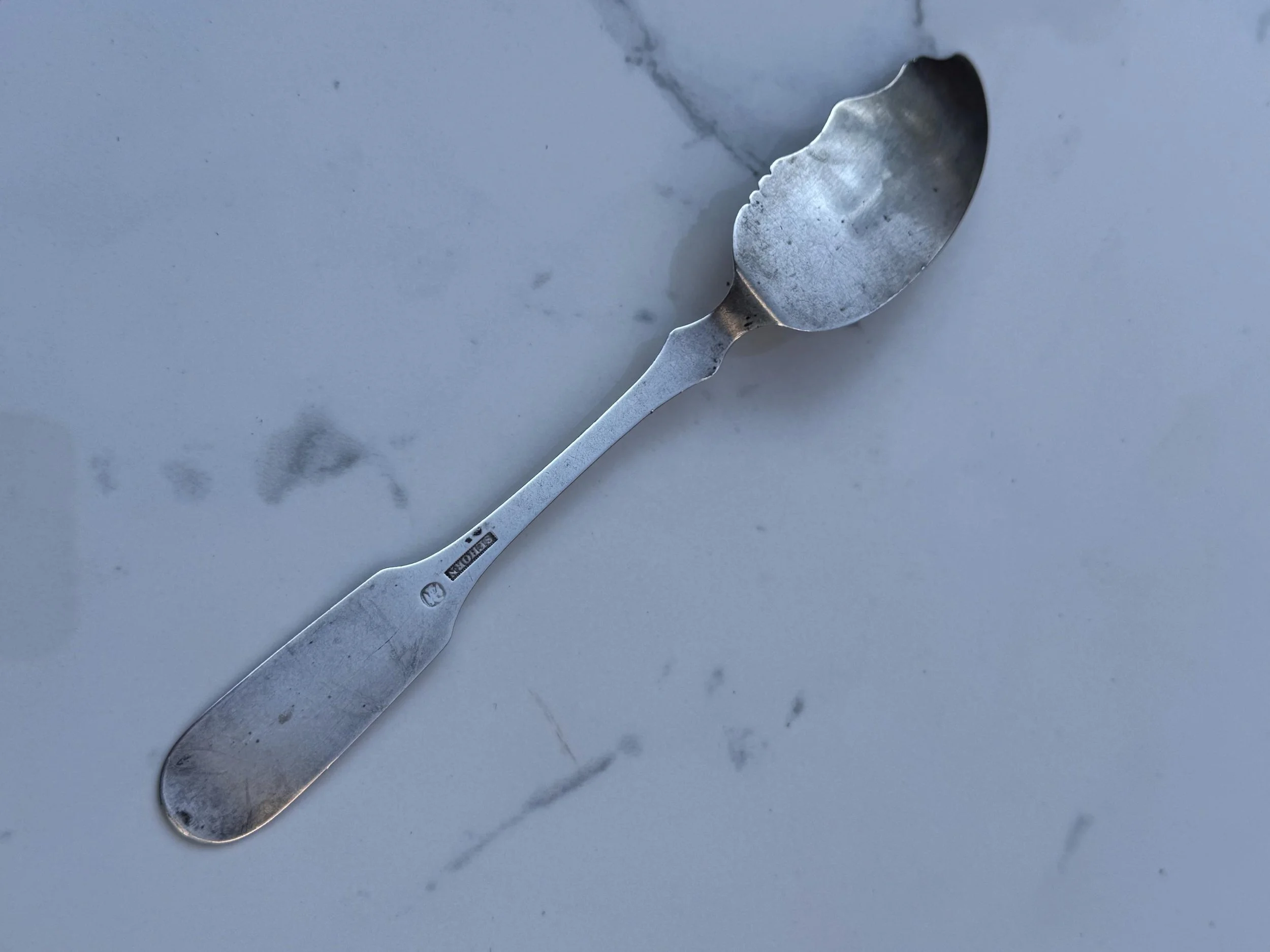 Image 8 of 10
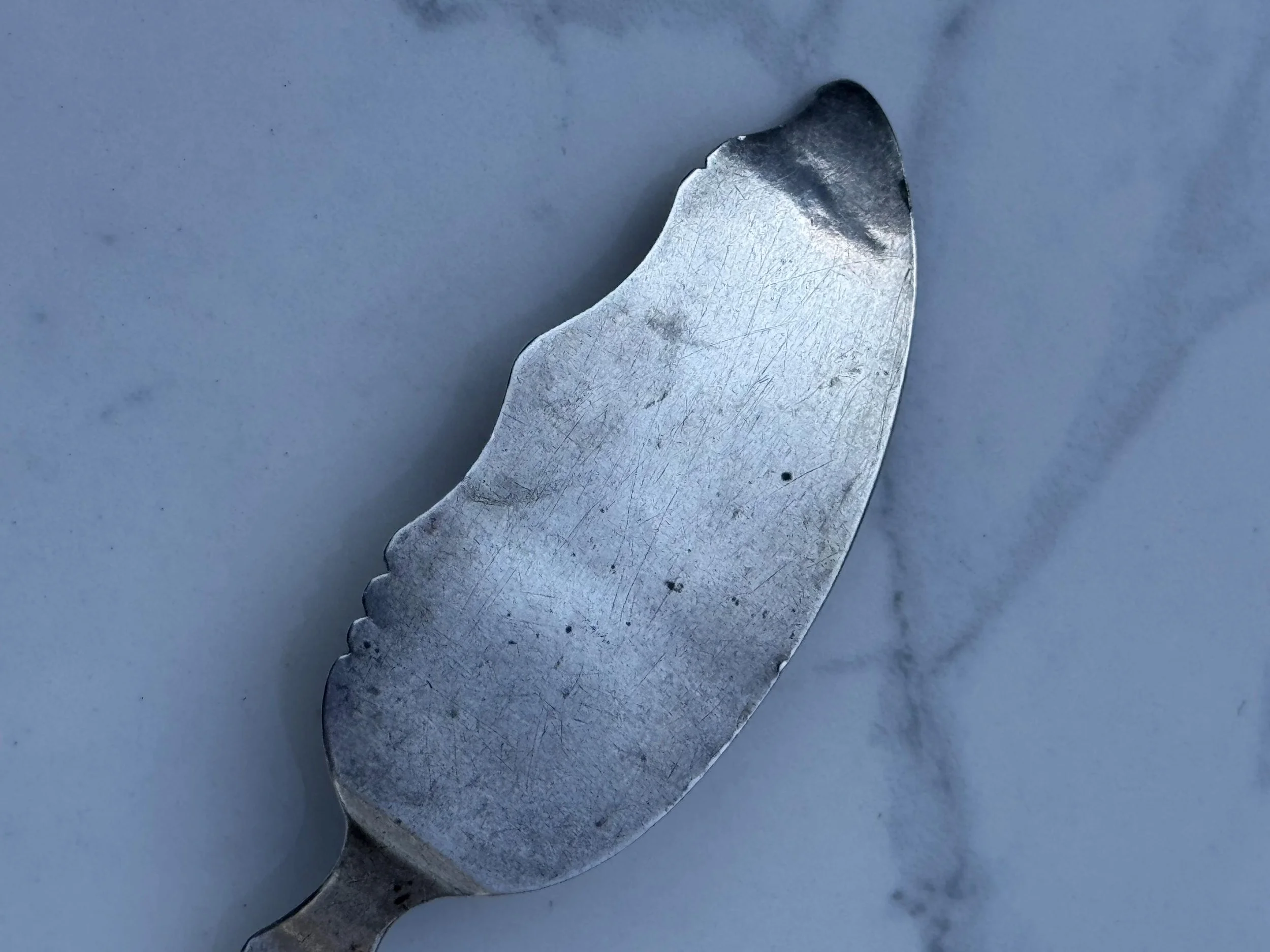 Image 9 of 10
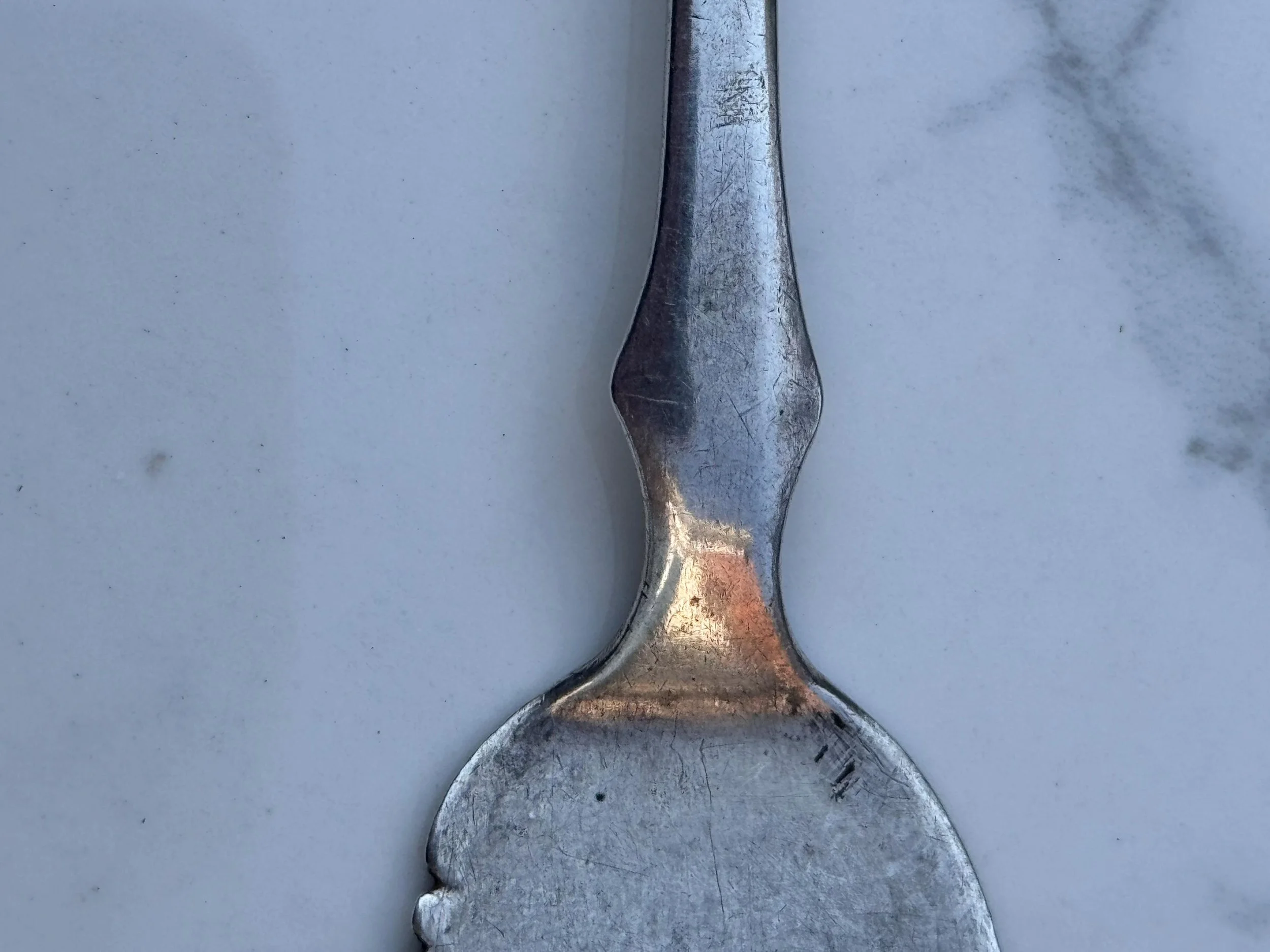 Image 10 of 10