1910 Bolivian Silver Bastón de Curaca Spanish Colonial
The bastón de curaca (staff of power) is 20 inches long and has a core of hardwood. Around this are wrapped panels made of silver. To these panels are affixed six silver Bolivian 20 centavo coins and three silver flowers with red and blue foil backed glass center set. The oldest coin is 1872 and the newest is a 1910. At the ends of the staff are two rings suspended on steel anchors fixed to the ends of the wood pole and coated in lead. On the reverse side of the staff is engraved coca leaves etc. It is quite heavy. Condition is well worn with a beautiful patina of the ages for this staff of power. These were used ceremonially by the mayors of towns throughout the Andean area, supposedly recalling pre-Hispanic canes.
More context:
The Spanish authorities saw it as advantageous to maintain the traditional structure of Inca leadership at the local level, believing it would help solidify their control over the Andes more swiftly and efficiently. One such institution they adapted was the curacazgo, a system in which each ayllu (community) was governed by a chief known as a curaca. Under Spanish rule, this role was renamed cacique, a term borrowed from Central America with a similar meaning.
During the Inca Empire, the curacas reported to the apunchic (the Inca’s representative). However, under the Spanish Viceroyalty, they were now accountable to the corregidor, a Spanish official representing the crown. Another indigenous institution that persisted was the varayoc, a civil authority figure responsible for overseeing local administration. Much like a mayor, the varayoc was charged with ensuring the smooth operation and governance of the community.
With the fall of the Inca Empire and the imposition of Spanish rule, new governmental structures were established to manage indigenous resources, giving rise to the varayoc as an intermediary between local leaders and the indigenous labor force.
The term varayoc comes from Quechua, meaning a person of legal age and authority, marked by the use of an elaborately adorned staff as a symbol of power. Typically, the oldest and most respected community member was chosen for this role, leading with a balanced hand, guided by wisdom and experience, ensuring justice and fairness for the collective and individual welfare of the people.
Check out some of my other sterling silver here:
http://www.etsy.com/shop/neurorocker?section_id=6783258
Or just browse around the shop!
http://www.etsy.com/shop/neurorocker
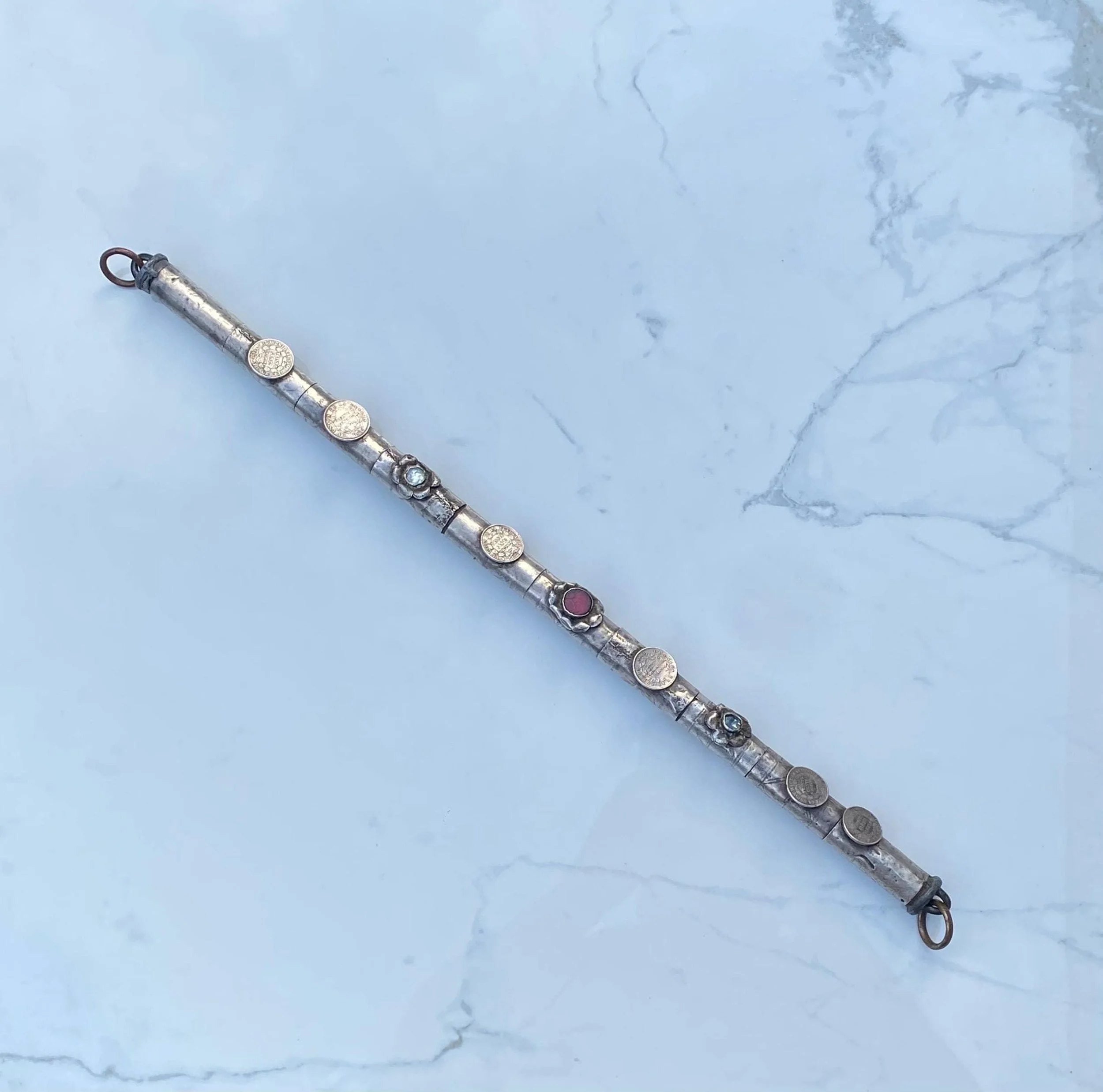 Image 1 of 5
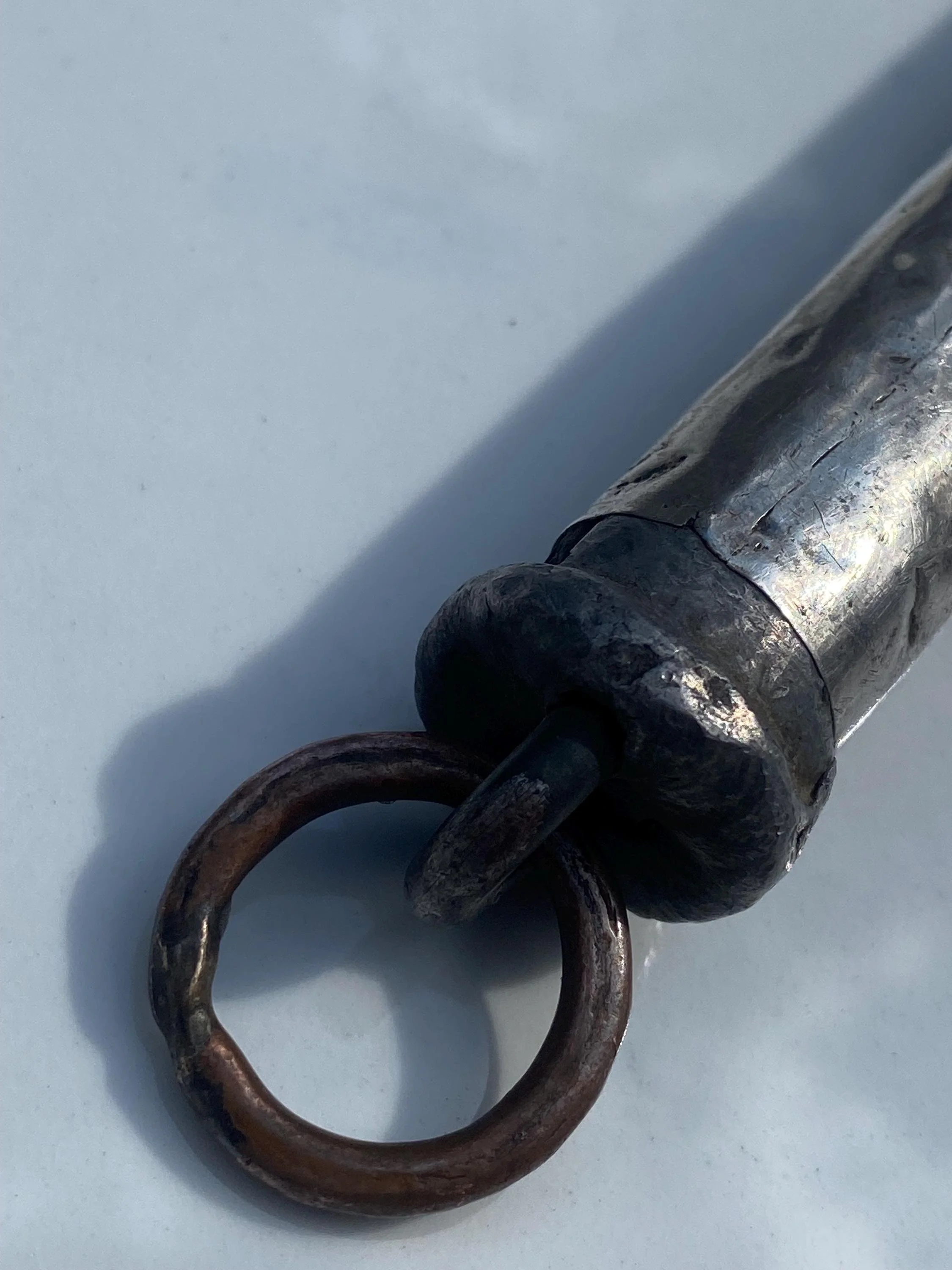 Image 2 of 5
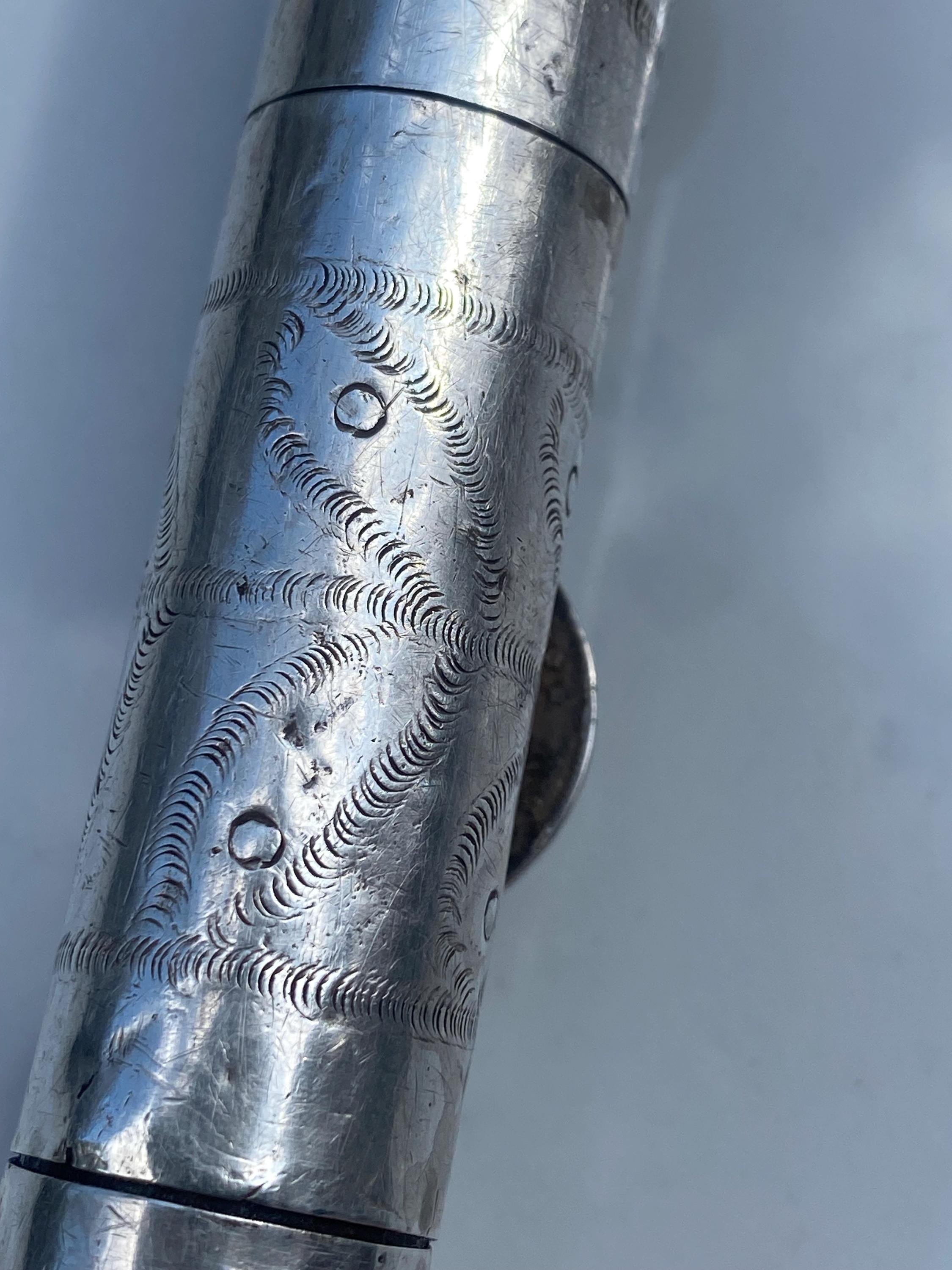 Image 3 of 5
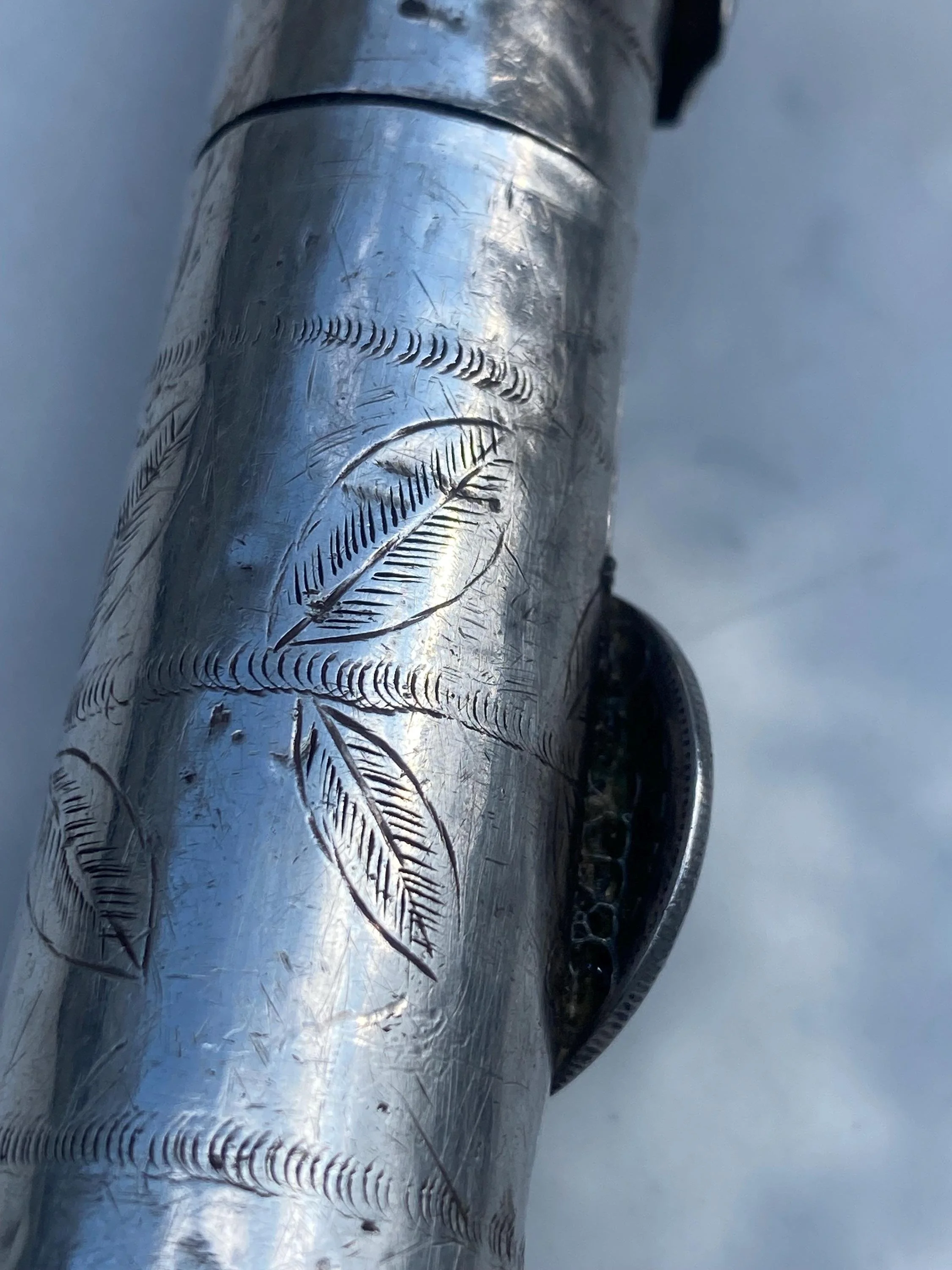 Image 4 of 5
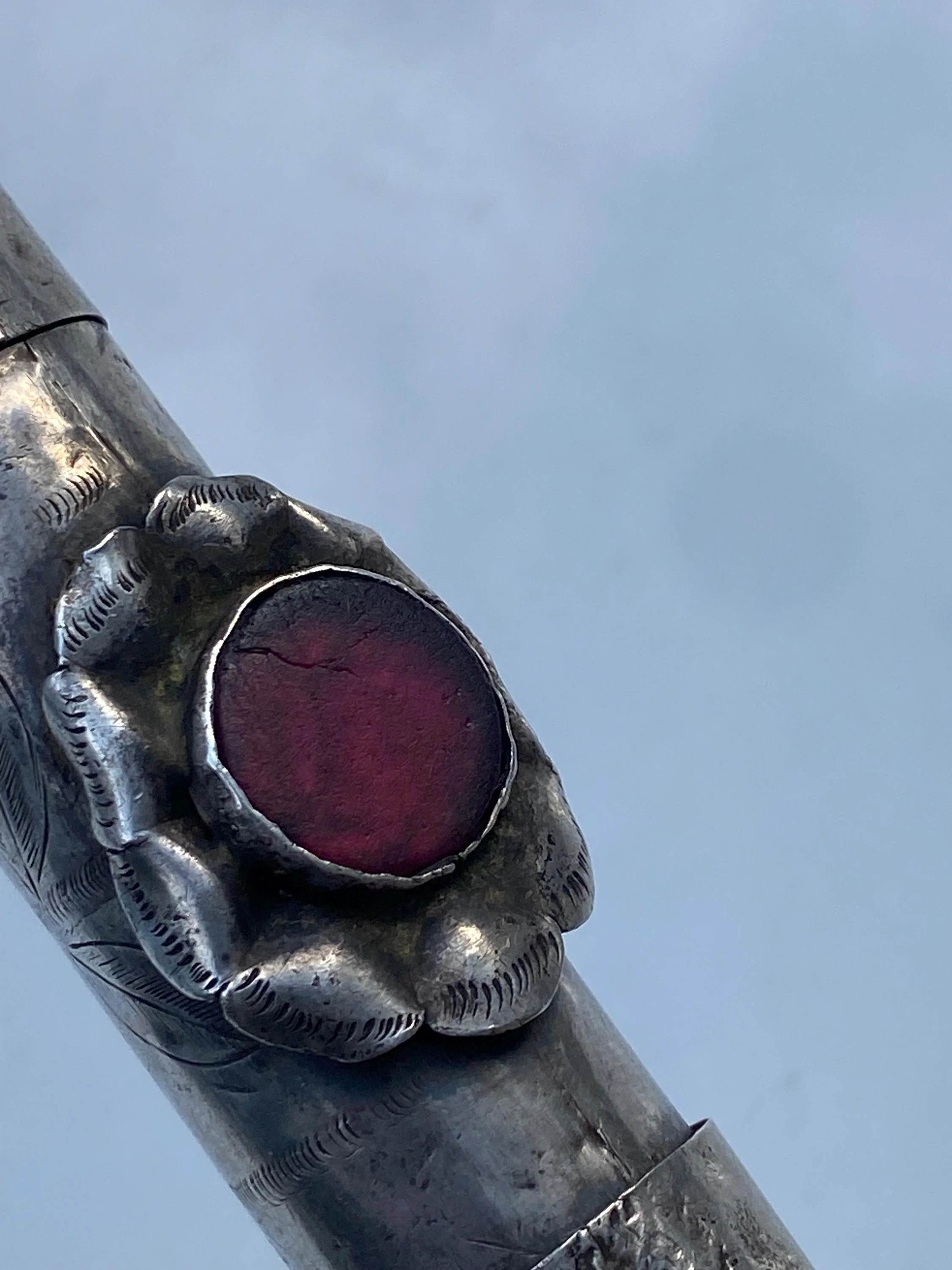 Image 5 of 5