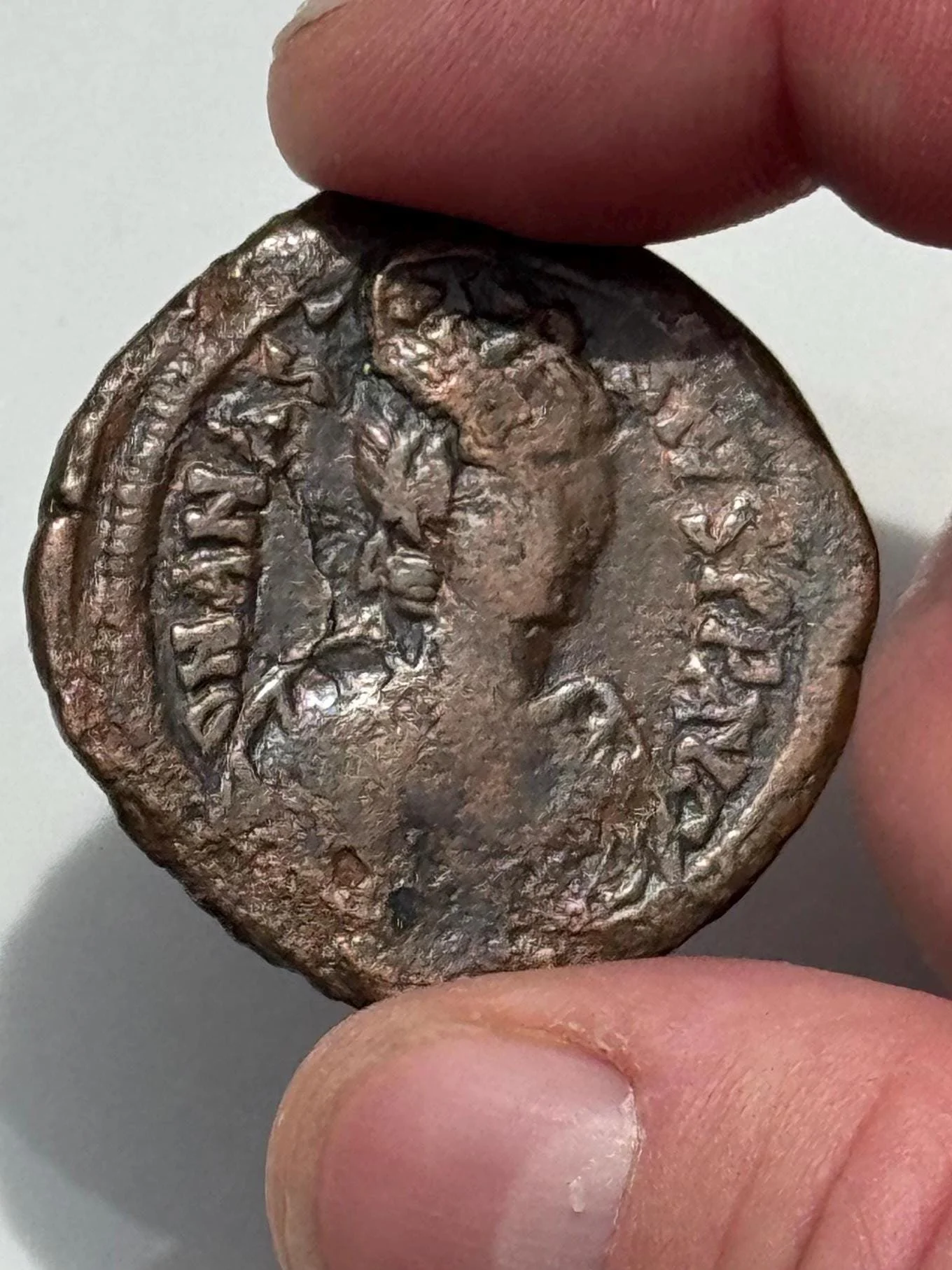
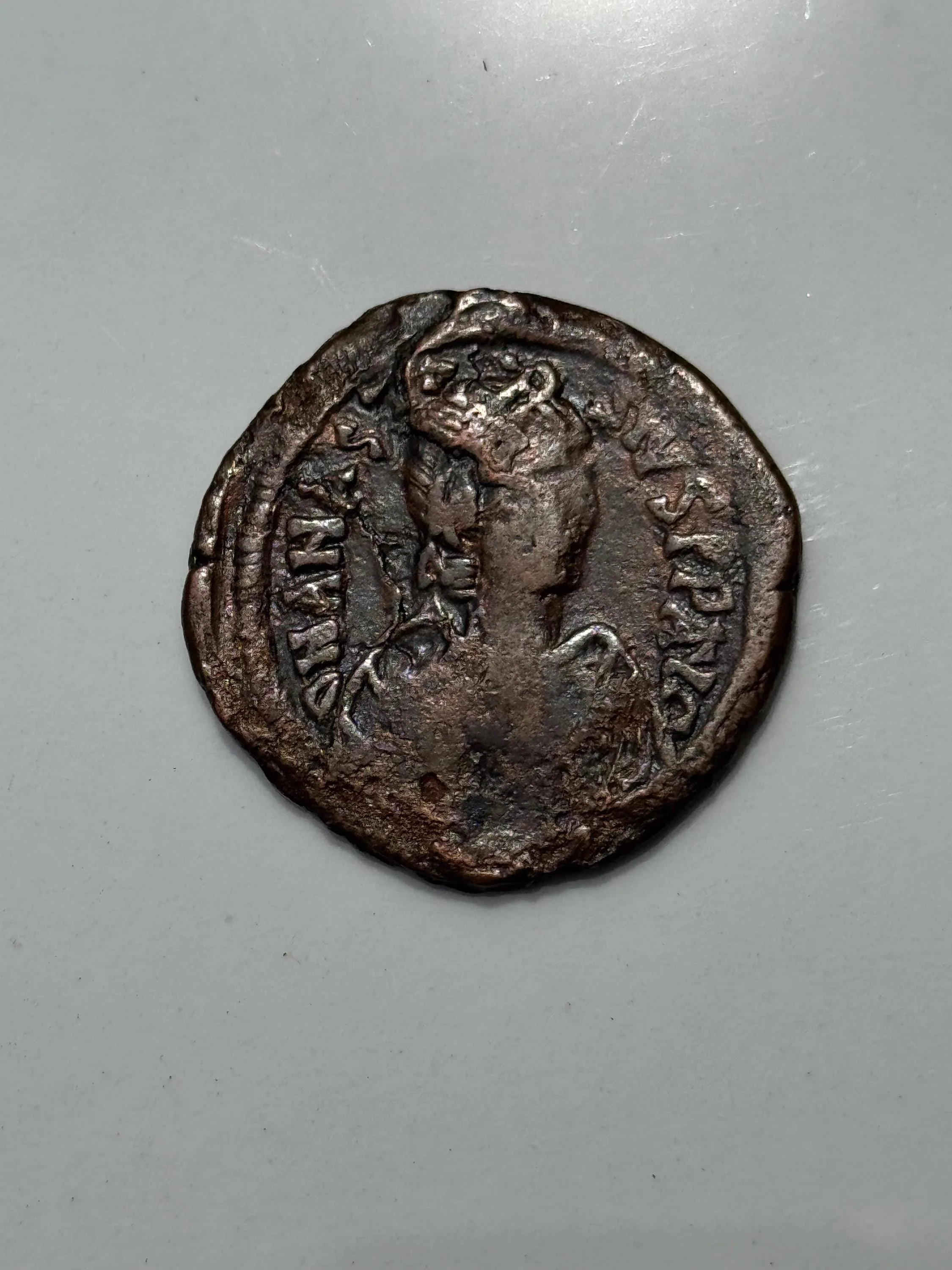
491–518 AD Byzantine Empire Bronze Follis Coin of Anastasius I – Large “M” Type, Constantinople Mint
$75.00
This substantial bronze follis was struck under Emperor Flavius Anastasius I, whose reign (491–518 AD) marks a critical turning point in the late Roman and early Byzantine numismatic tradition. While Anastasius regarded himself as a Roman ruler, modern scholars recognize his reform of the imperial coinage system in 498 AD as a decisive step in the cultural and economic Hellenization of the Eastern Roman Empire, often identifying him as both the last Roman emperor and the first truly Byzantine one.
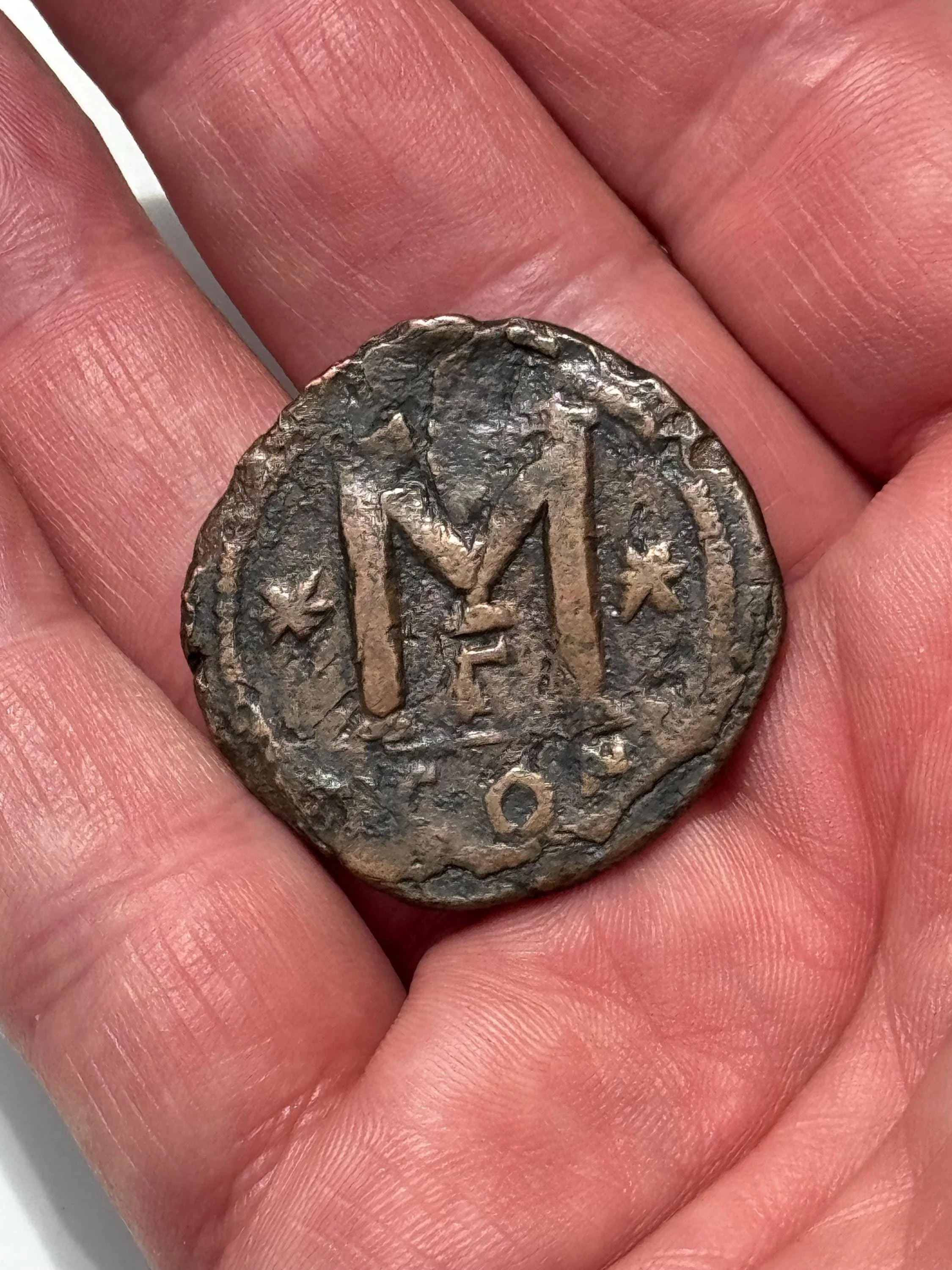
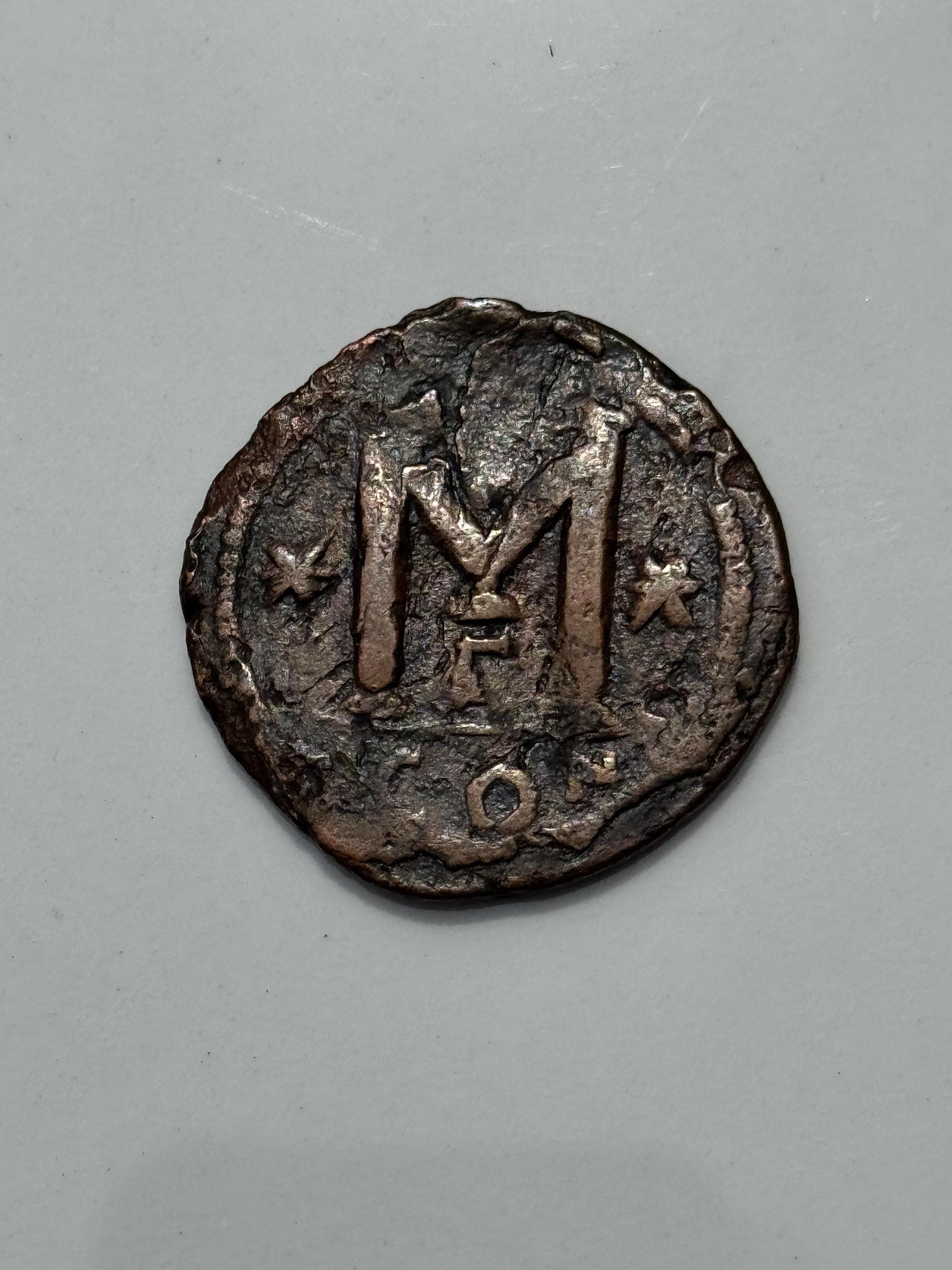
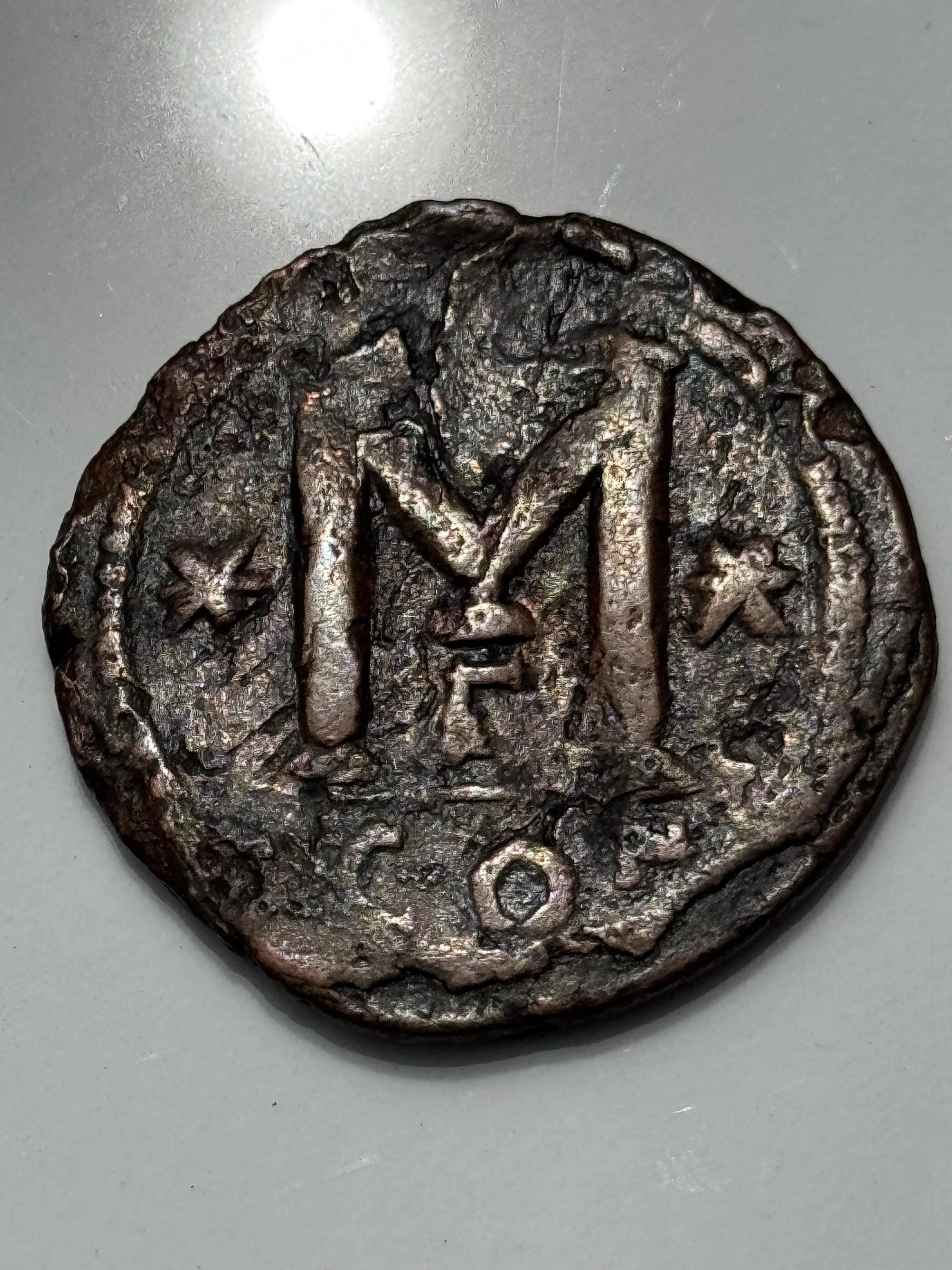
Anastasius’s new monetary standard replaced the chaotic and often poorly valued late Roman bronze with a rationalized, large-denomination system centered around the follis. This coin, bearing the hallmark “M” for 40 nummi, exemplifies that reform. The reverse design—with its clear denomination, mintmark, and symbolic Christian imagery—set the pattern for Byzantine coinage for centuries. A quintessential piece for those interested in the transition from Roman to Byzantine coinage, this follis is not only a collectible artifact but also a tangible link to one of late antiquity’s most formative rulers.
Date: Circa 491–518 AD
Mint: Constantinople
Reference: Sear 21
Weight: ~18 grams
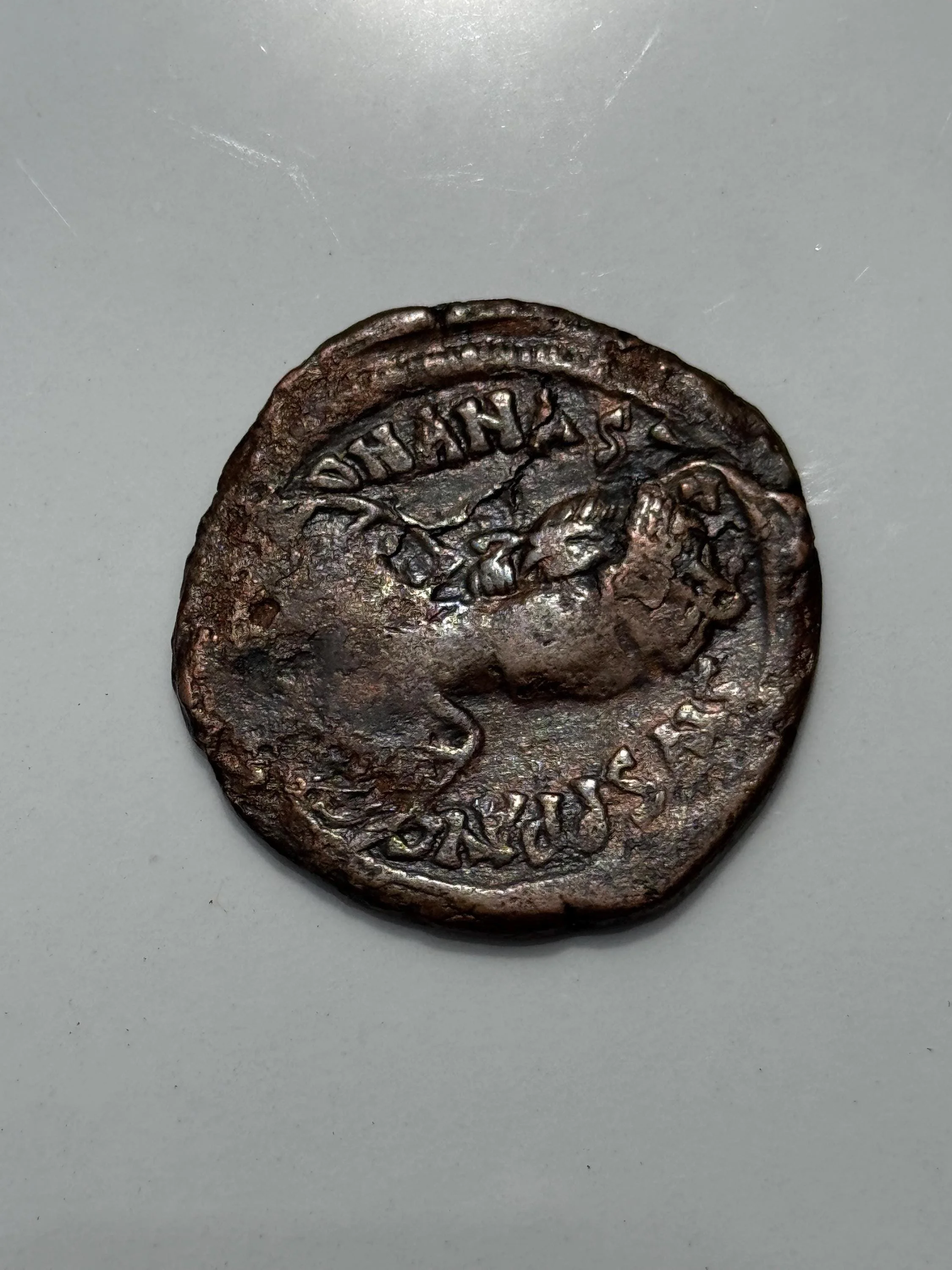
Obverse: D N ANASTASIVS PP AVG – Diademed, draped, and cuirassed bust of Emperor Anastasius I facing right.
Reverse: Large “M” (denoting 40 nummi) flanked by stars; cross above; officina mark below; mintmark "CON" in exergue.
Check out some of my other coins here:
https://www.etsy.com/shop/DCSILVERSHOP?ref=shop_sugg§ion_id=19121636
Or just browse around the shop!
https://www.etsy.com/shop/DCSILVERSHOP