c. 1945-1950 Massive Synthetic Bell Labs Quartz Crystal
After World War II, Bell Labs began producing synthetic quartz crystals, primarily used in various technological applications. This is an example of one of those extremely rare early Bell Lab crystals. Few of these survived as most were cut up and used for technology applications. It retains the metal band where the seed plate was attached to the frame for growth. Condition is excellent with a small couple of fleabites at one corner. An example has been collected by the Smithsonian under Accession 1988.0329. This specimen was recovered near Dahlgren Air Force Base where it was likely unused stock for military applications.
616 grams
1.5" x 2" x 5.5"
Processing of Synthetic Quartz Crystals
Growth of Crystals: The process began with the hydrothermal synthesis of quartz crystals. Seed crystals were placed in an autoclave, a high-pressure vessel, containing a solution of sodium hydroxide or potassium hydroxide. This solution acted as a solvent to dissolve silica at high temperatures and pressures, typically around 350°C and 1000 atmospheres, which then deposited onto the seed crystals.
Once the crystals reached the desired size, they were cut into wafers or blanks using diamond-tipped saws. The orientation of the cut was crucial since different cuts (like X-cut, Y-cut, or AT-cut) offered different properties suitable for various applications. The cut crystals were then polished to achieve a smooth surface and etched to remove any surface damage that might affect their performance. In some cases, the crystal surfaces were coated with thin metal films to form electrodes. This was particularly important for piezoelectric applications where the crystals needed to interact with electronic circuits. The finished crystals underwent rigorous testing to ensure they met the required frequency and performance specifications. Calibration was essential for their intended uses, ensuring high precision.
The primary use of synthetic quartz crystals was in frequency control devices such as oscillators, filters, and resonators. Quartz crystals provided highly stable and precise frequencies necessary for radio transmitters, receivers, and various communication equipment. Quartz crystals were also fundamental in the development of accurate timekeeping devices like quartz clocks and watches. The piezoelectric properties of quartz allowed for the creation of reliable and stable oscillators that kept precise time. Quartz crystals like this could be used in various sensors, including pressure sensors and accelerometers, owing to their stable mechanical and piezoelectric properties. Finally, synthetic quartz crystals were critical components in the burgeoning fields of computing and telecommunications. They were used in clock circuits for microprocessors and in timing circuits for modems and other communication devices.
Initially, synthetic quartz crystals were expensive due to the complex and time-consuming production process. During the 1940s and 1950s, the cost of producing high-quality crystals was substantial, potentially running into hundreds of dollars per crystal. As production methods improved and demand increased, the costs gradually decreased. By the 1960s and 1970s, the advancements in synthesis and processing technologies made synthetic quartz crystals more affordable. The economies of scale and improved techniques reduced the price significantly, making them accessible for widespread use in consumer electronics.
51mm x 70mm 125mm (2" x 2.75" x 4.9")
Weight is: 542.6 grams (19.1 oz), 2712 carats.
See my other stones!
https://www.etsy.com/shop/DCSILVERSHOP?ref=shop_sugg§ion_id=14274098
Or just browse around the shop:
https://www.etsy.com/shop/DCSILVERSHOP
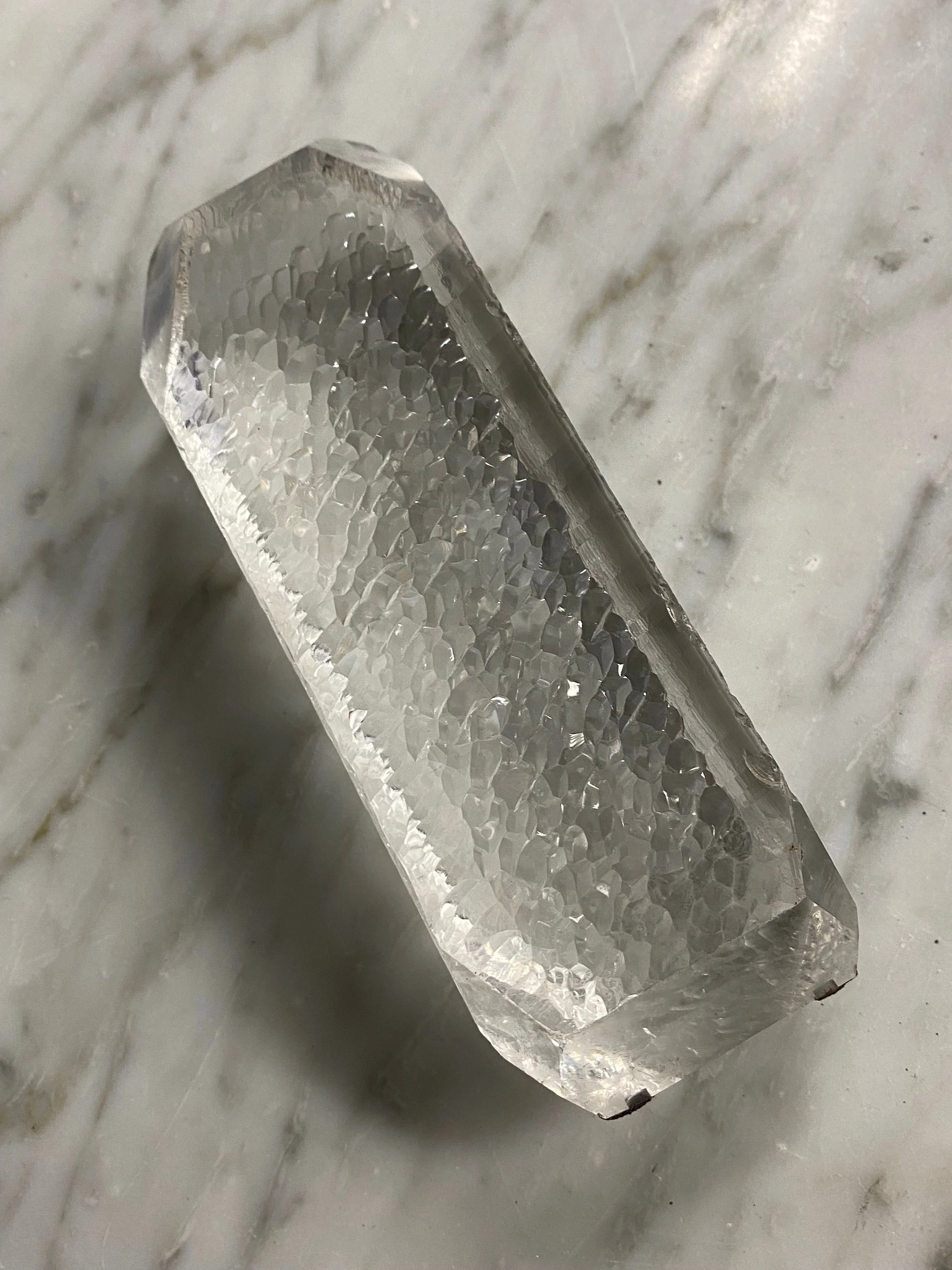 Image 1 of 8
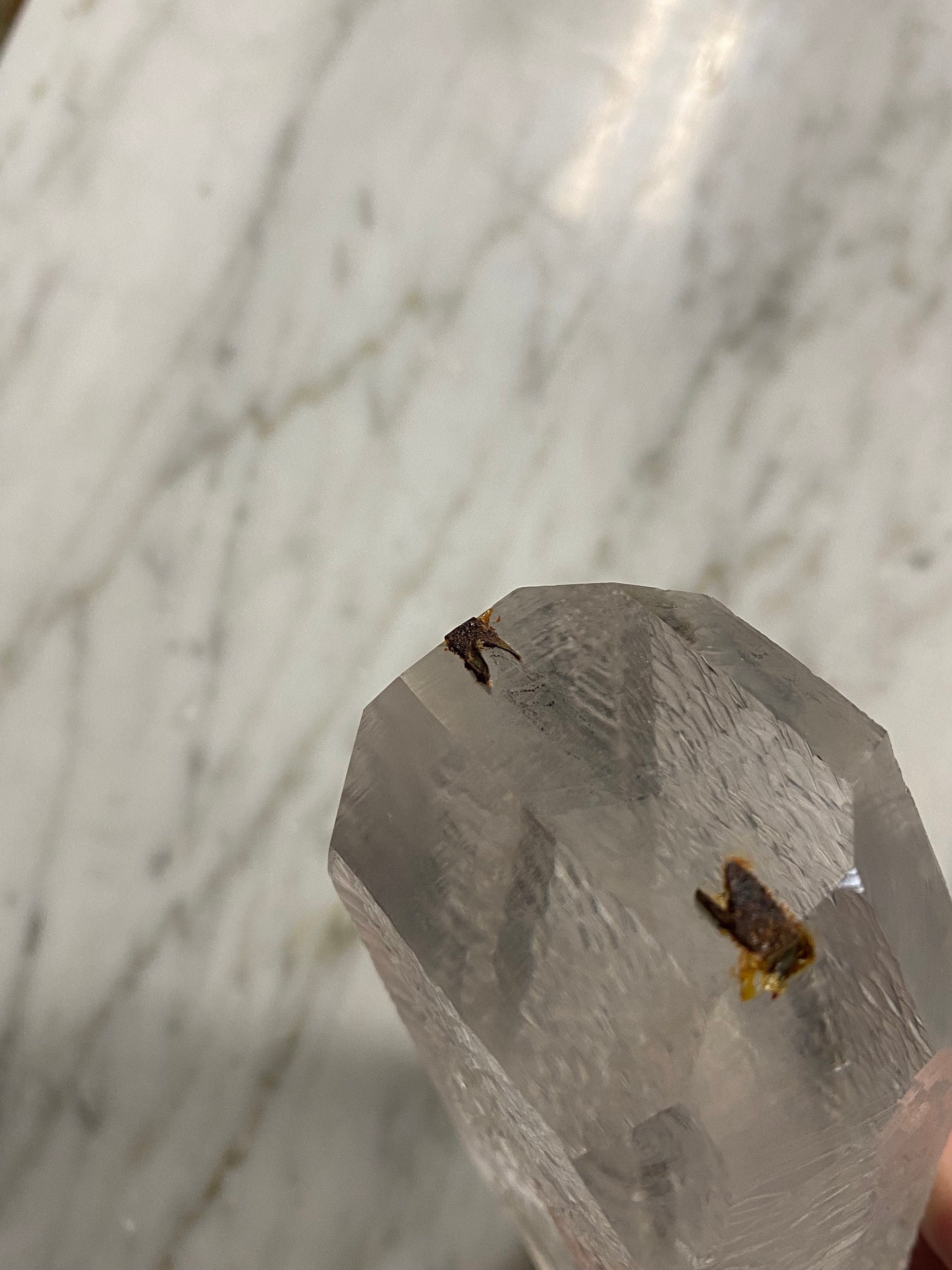 Image 2 of 8
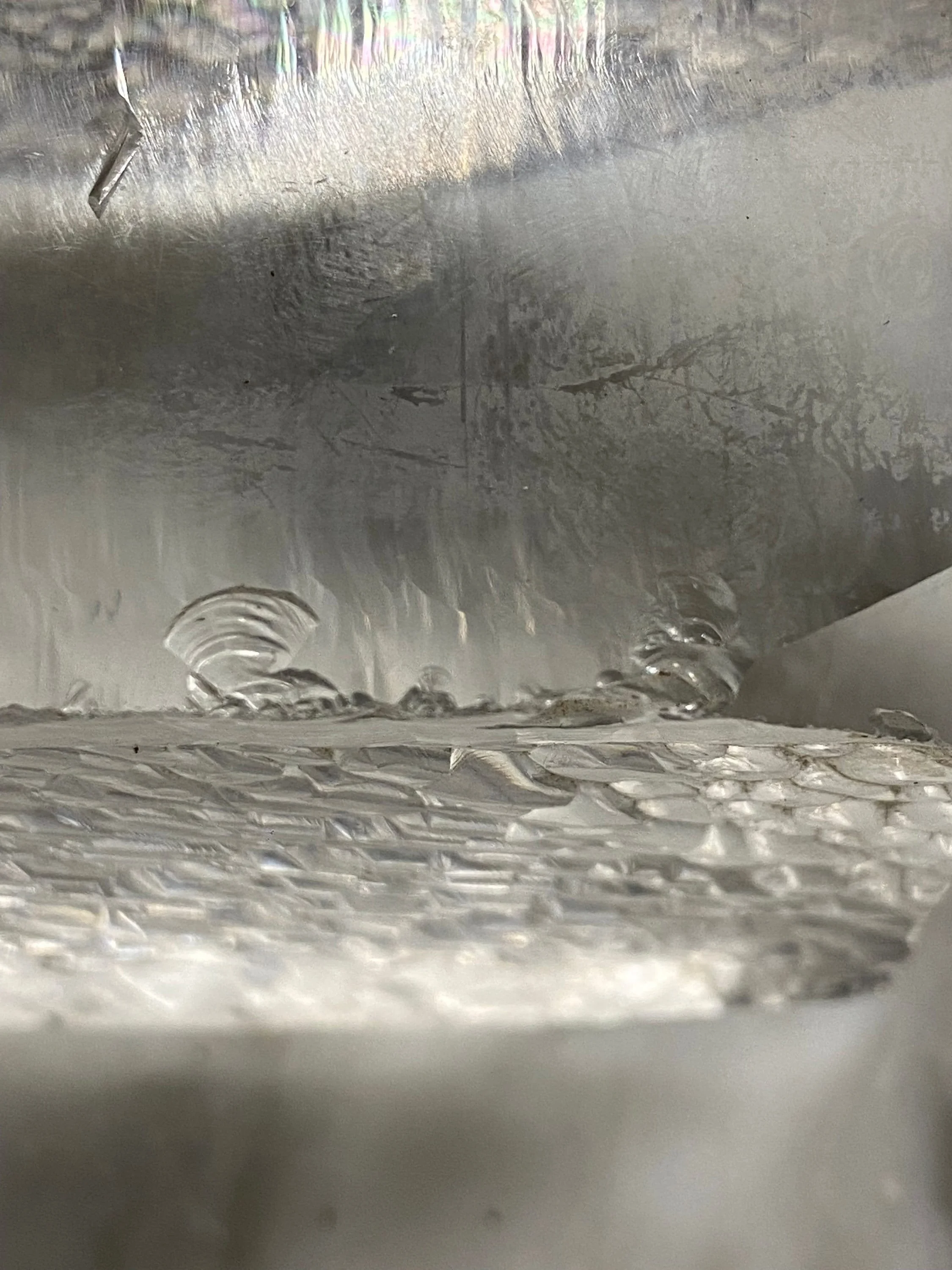 Image 3 of 8
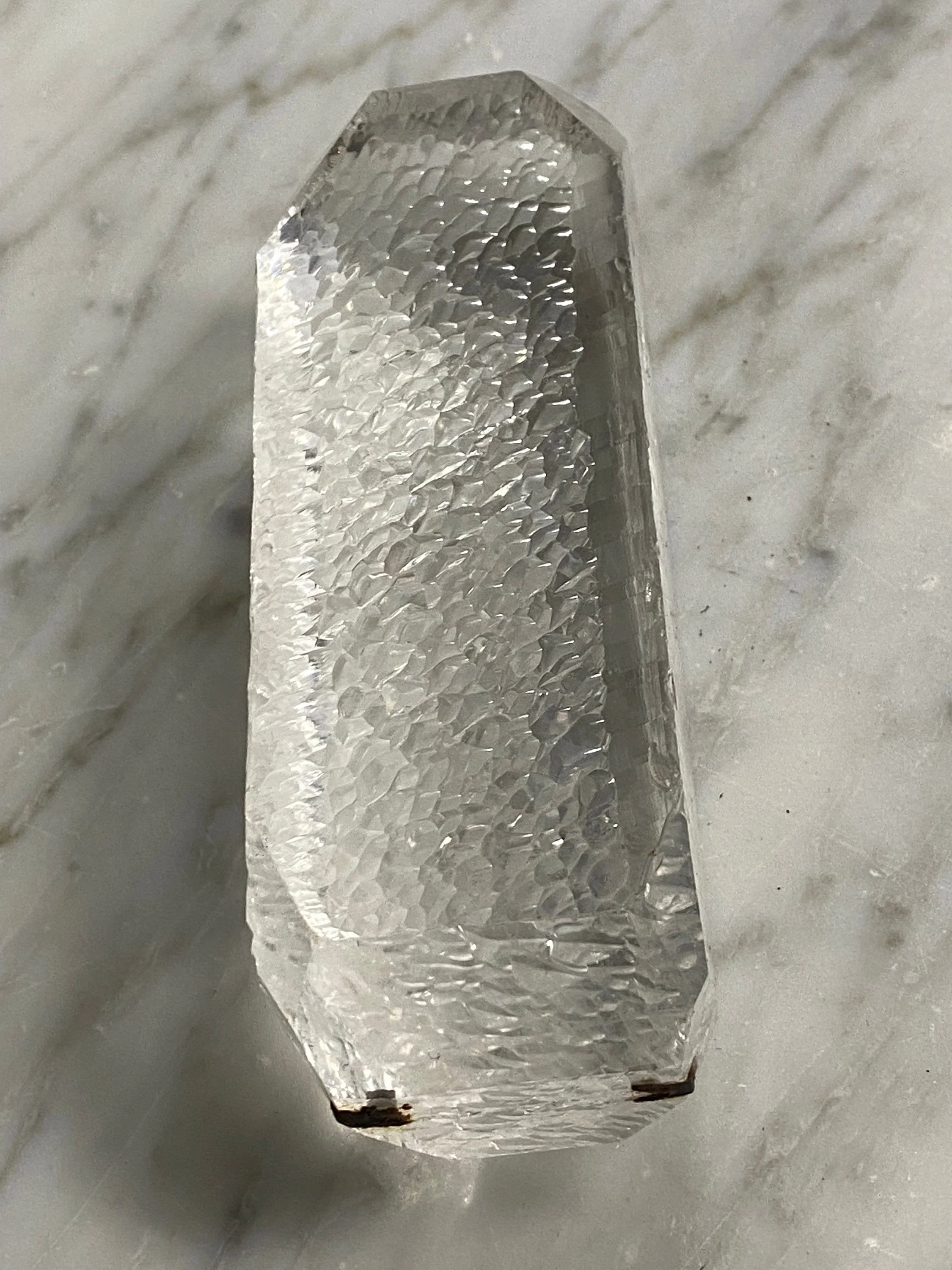 Image 4 of 8
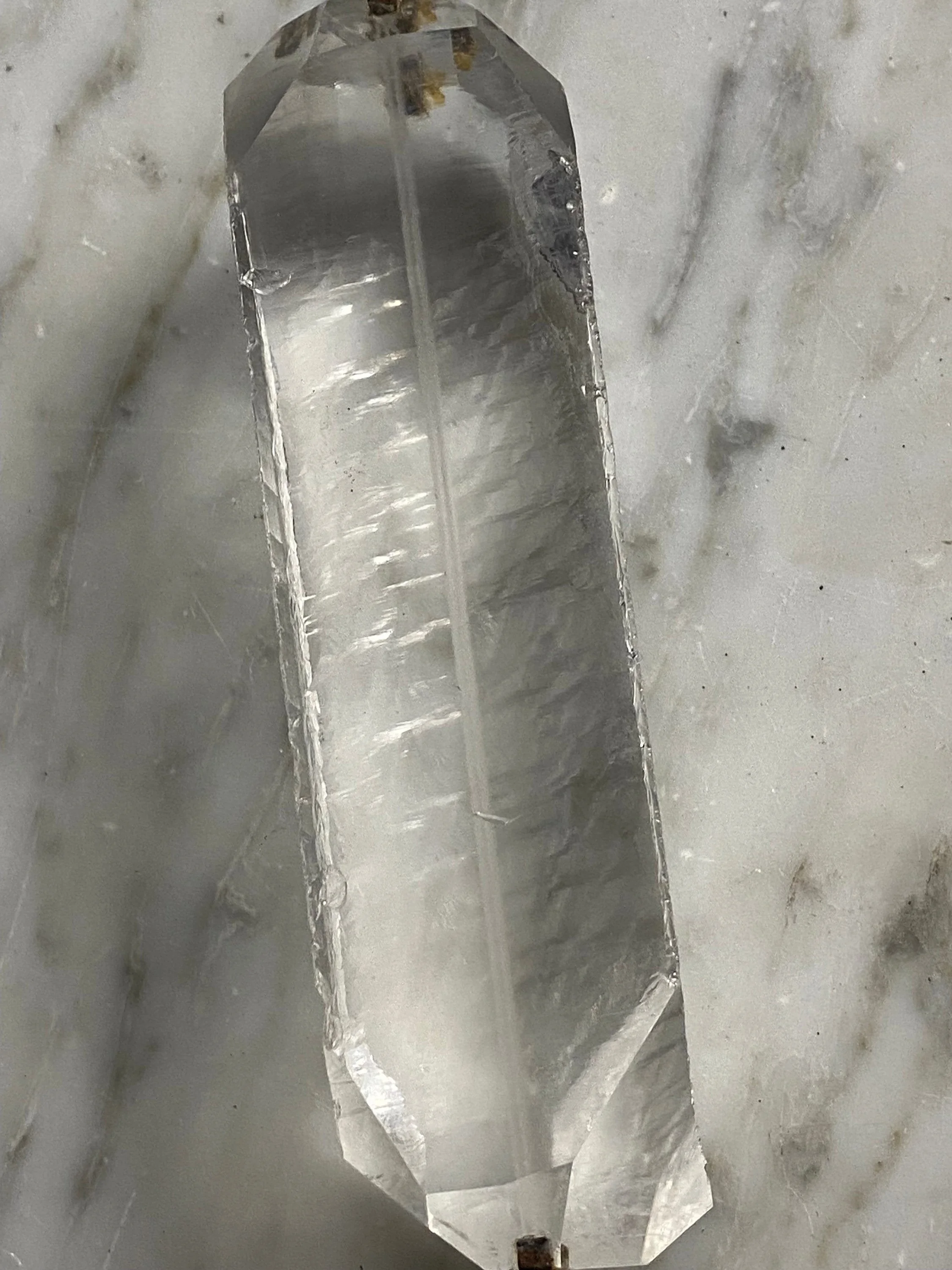 Image 5 of 8
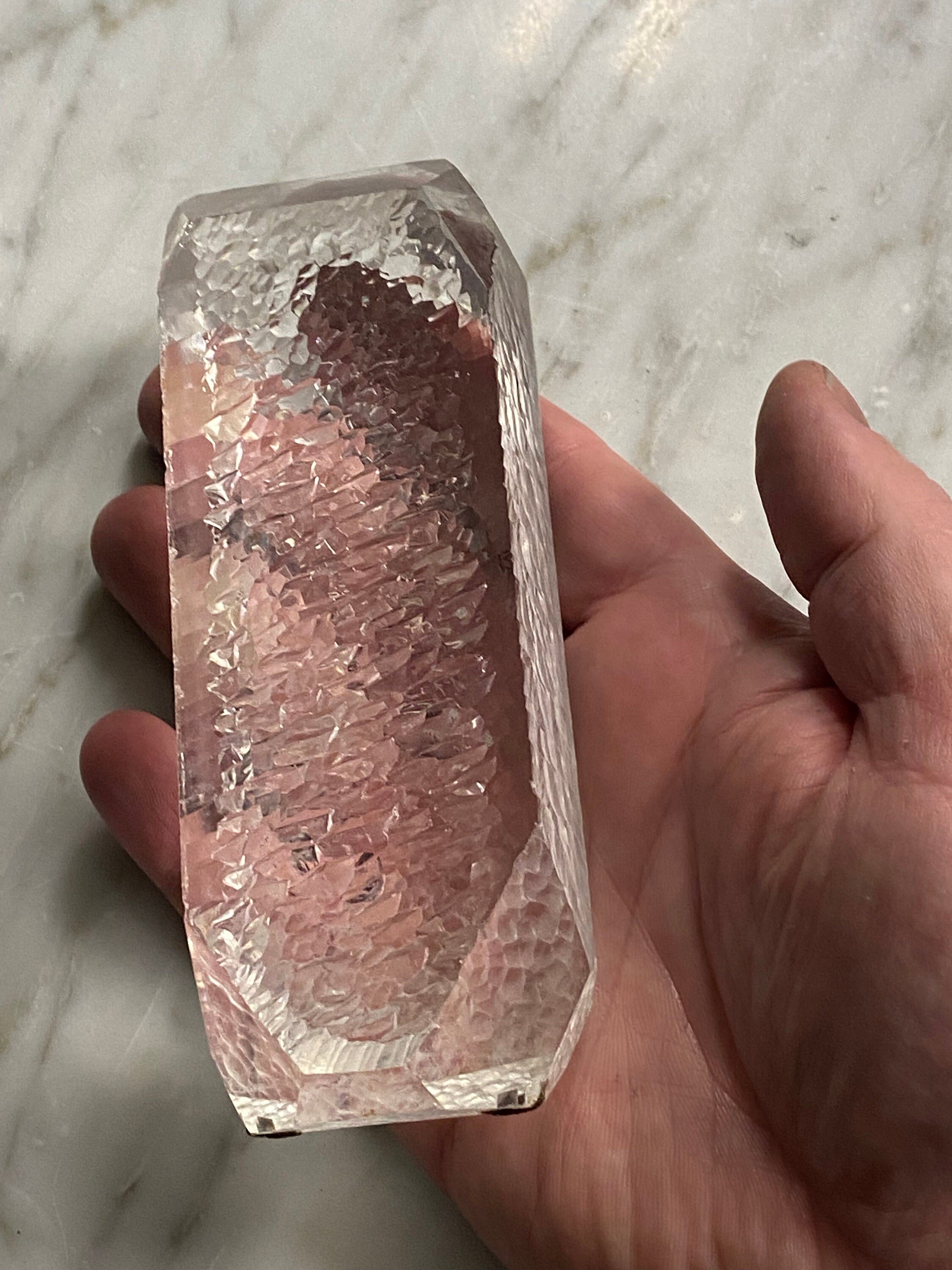 Image 6 of 8
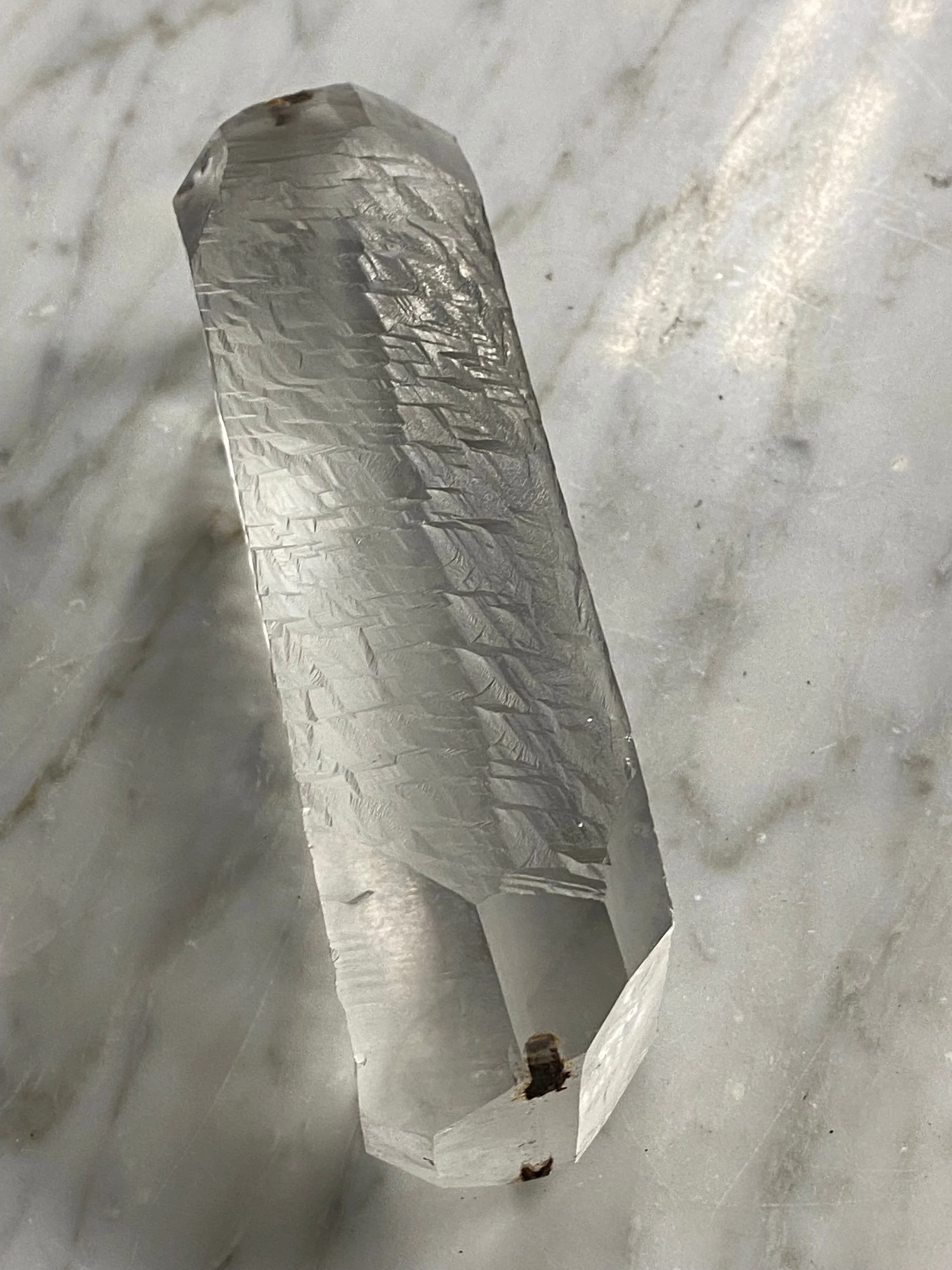 Image 7 of 8
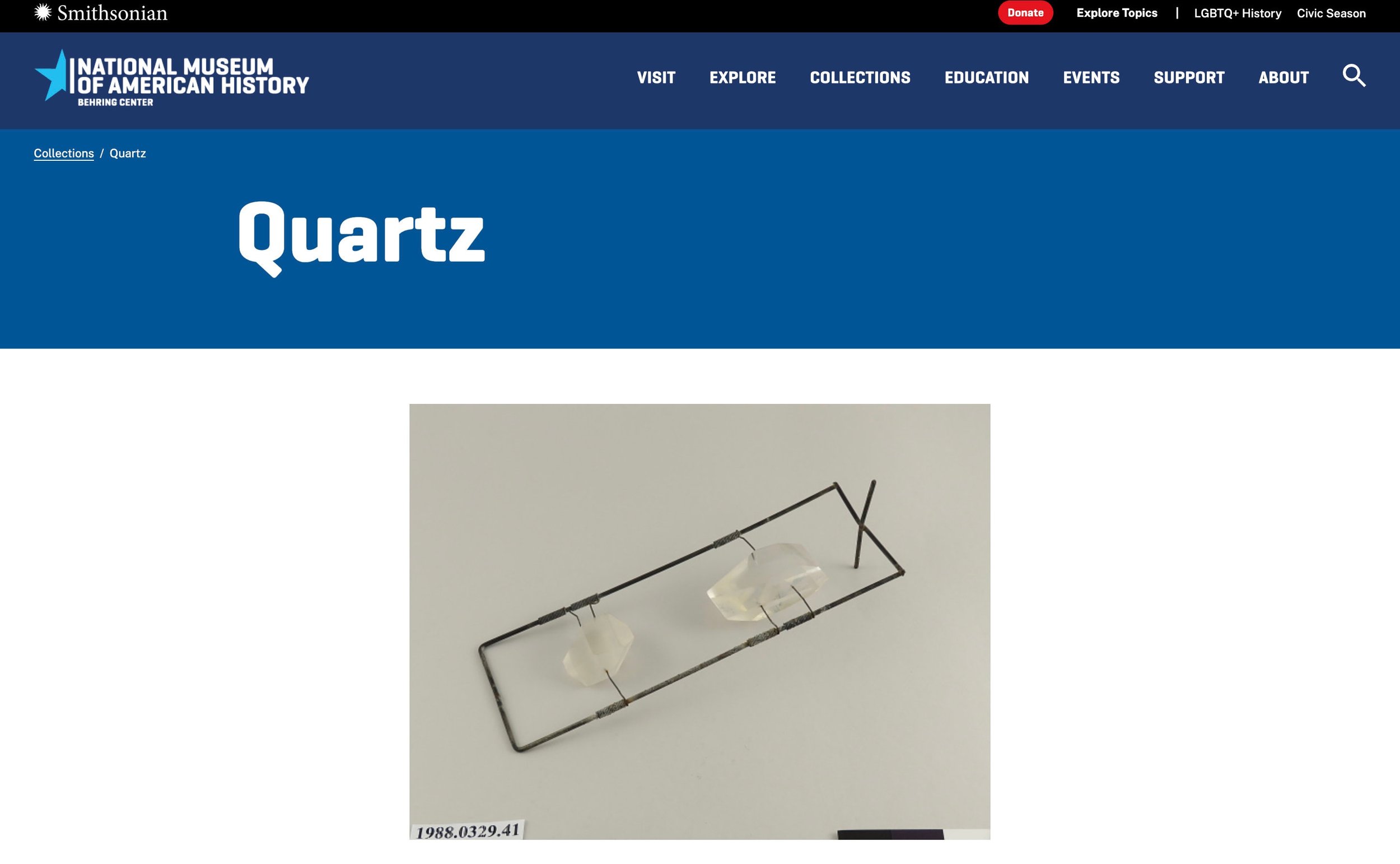 Image 8 of 8