c. 1966 One-of-a-Kind NSSDC Door Plaque — Original NASA Artifact from Early Space Exploration & John C. Stonesifer Estate
It’s a modest thing at first glance—just a small plaque, wood-grain adhesive, the kind of functional label you’d expect to pass without a second thought. But that’s exactly what makes it powerful. It wasn’t meant to be admired. It was meant to mark a threshold. I recovered the sign in the home of the late John Stonesifer after his passing. I'm including a couple of autographed photos of him with Nixon and astronauts.
That sign once hung outside a space where the raw memory of the Space Age was being gathered, sorted, and quietly preserved. Behind that door, reels of magnetic tape, stacks of printouts, telemetry streams, and experiment records were transformed from fleeting signals into something enduring. Missions that lasted minutes or days were given a kind of permanence.
People walked past that sign who were carrying the weight of firsts.
Engineers coming off long shifts, still thinking about orbital mechanics and signal noise. Scientists waiting to see if the data coming in would confirm a theory—or overturn it. Program managers moving quickly, balancing urgency with the knowledge that history was unfolding faster than it could be documented. And among them, figures connected to recovery and operations—people like Stonesifer—whose work ensured that capsules, crews, and the physical traces of missions made it back at all, so that what was behind that door could even exist.
Every time that door opened, it connected two worlds:
Outside — the immediate, high-risk, high-visibility drama of launches, splashdowns, and global attention.
Inside — the slower, quieter work that actually turned those moments into knowledge.
That plaque didn’t just label an office. It marked the place where NASA began to understand that exploration isn’t only about going—it’s about remembering, organizing, and learning. Without that, each mission would vanish into anecdote and archive boxes scattered across institutions. With it, they became part of a continuous, cumulative record.
Think about what passed beneath it:
Data from early human spaceflight, when no one was entirely sure what space would do to the human body. Measurements from instruments that had traveled farther than anything built before. Signals captured, recovered, and carried back across oceans—sometimes literally pulled from the water—then handed off, eventually, to be cataloged and preserved.
That sign stood there as all of that moved inward.
It’s easy to overlook because it wasn’t part of the spectacle. It didn’t fly, didn’t splash down, didn’t make headlines. But it belonged to the system that made those achievements matter beyond the moment. It was part of the transition from daring attempts to lasting knowledge.
Now, separated from that hallway, it becomes something else: a fragment of infrastructure that outlived its function. A quiet artifact from the point where urgency met memory.
Not the mission itself—but the place where the mission was made permanent.
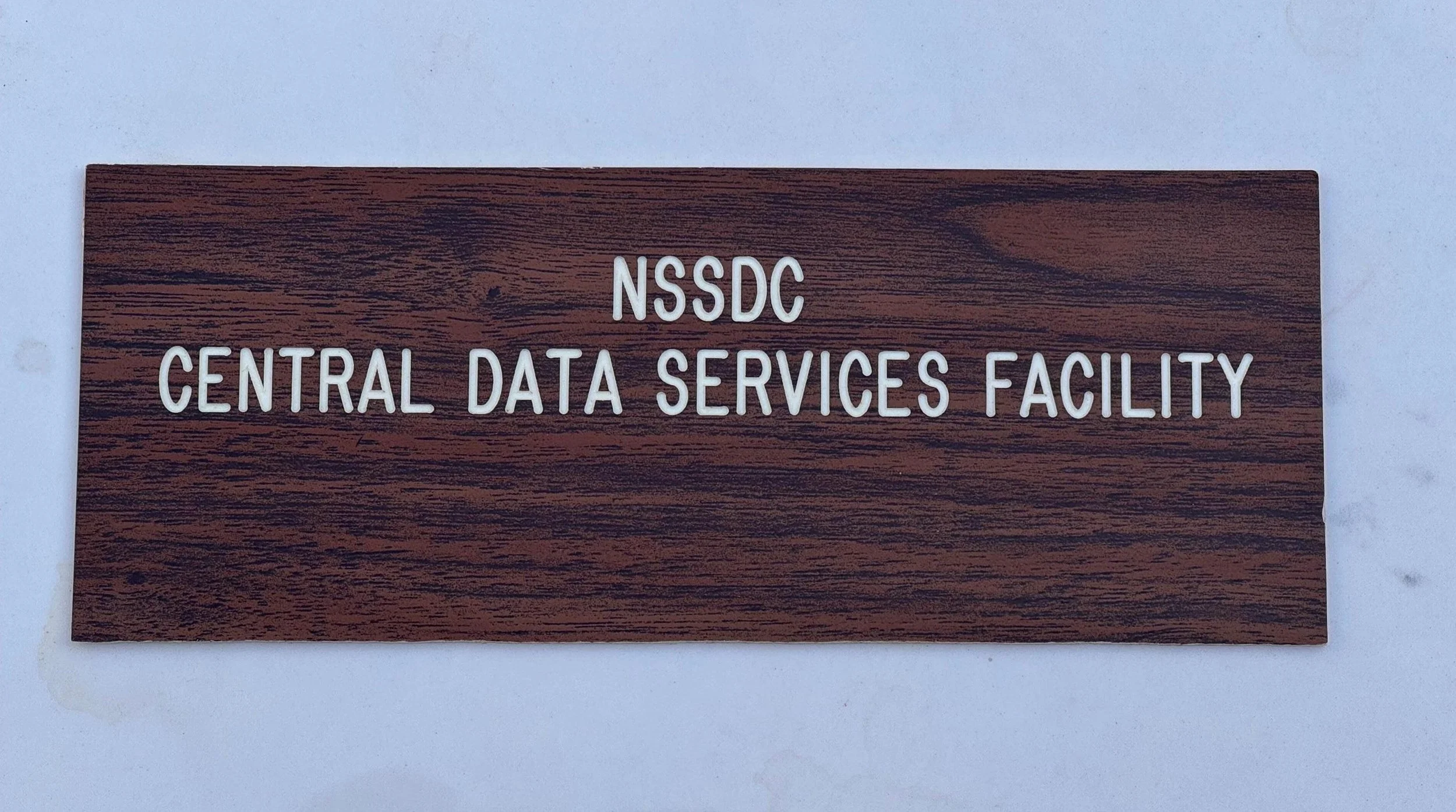 Image 1 of 6
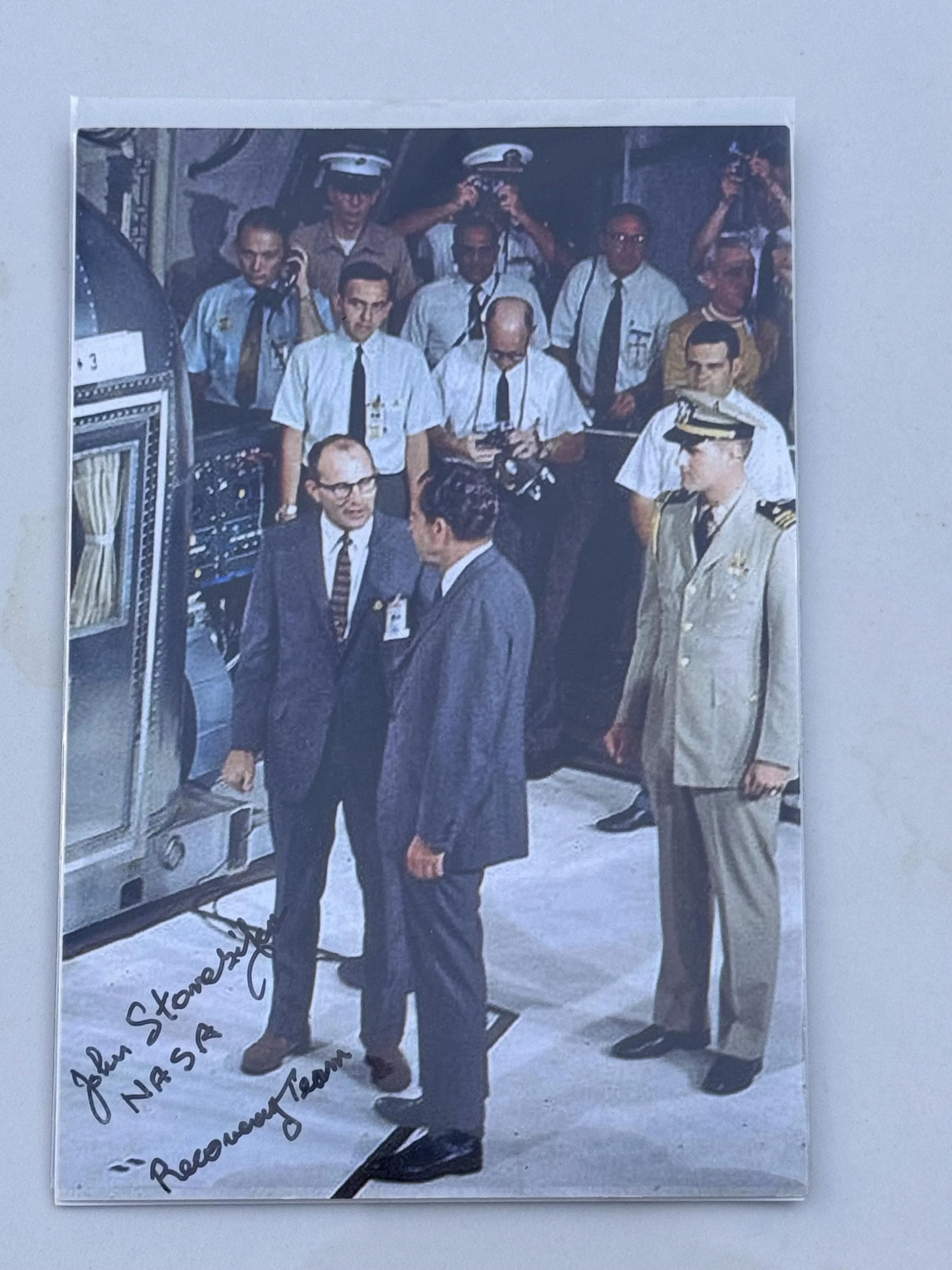 Image 2 of 6
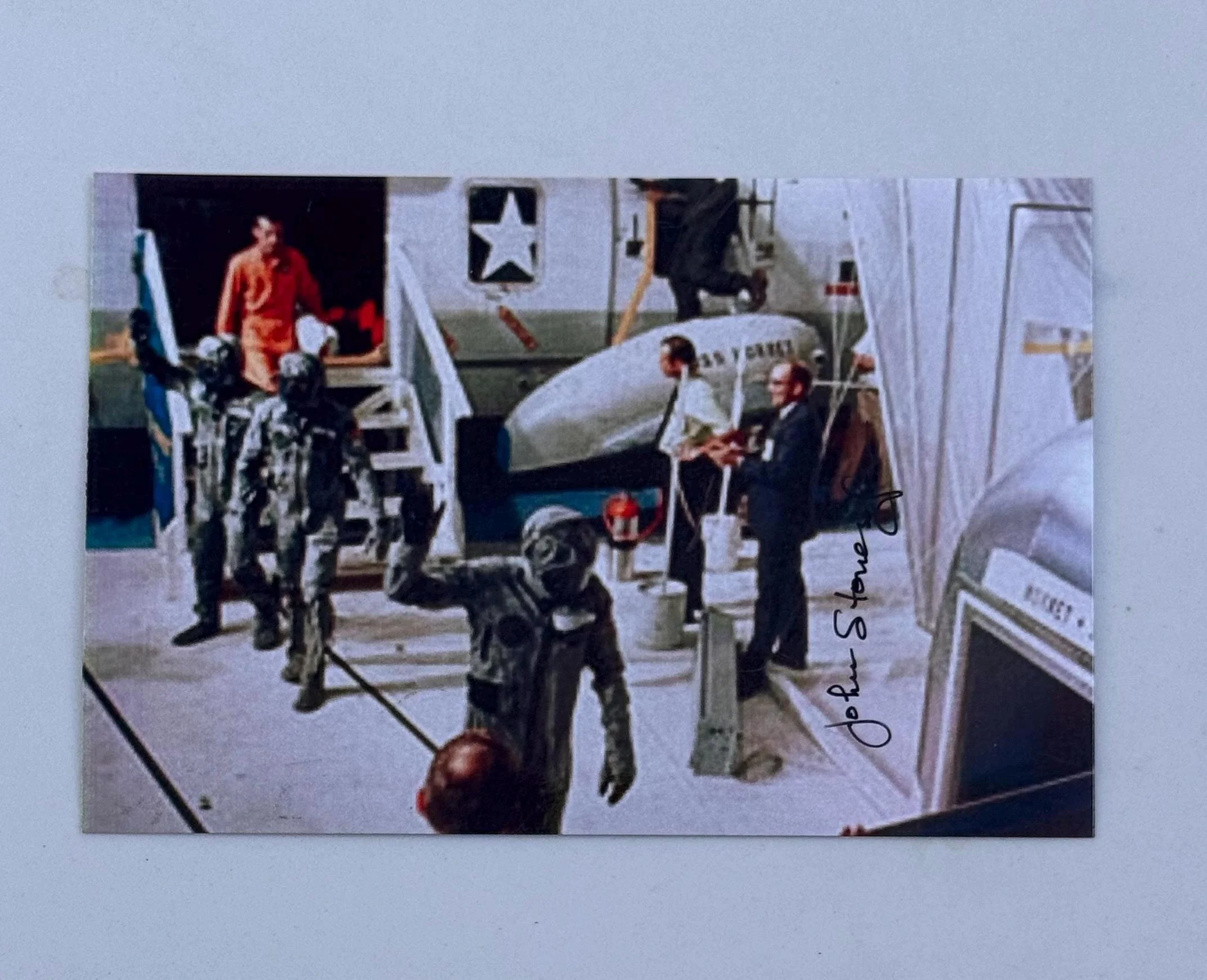 Image 3 of 6
 Image 4 of 6
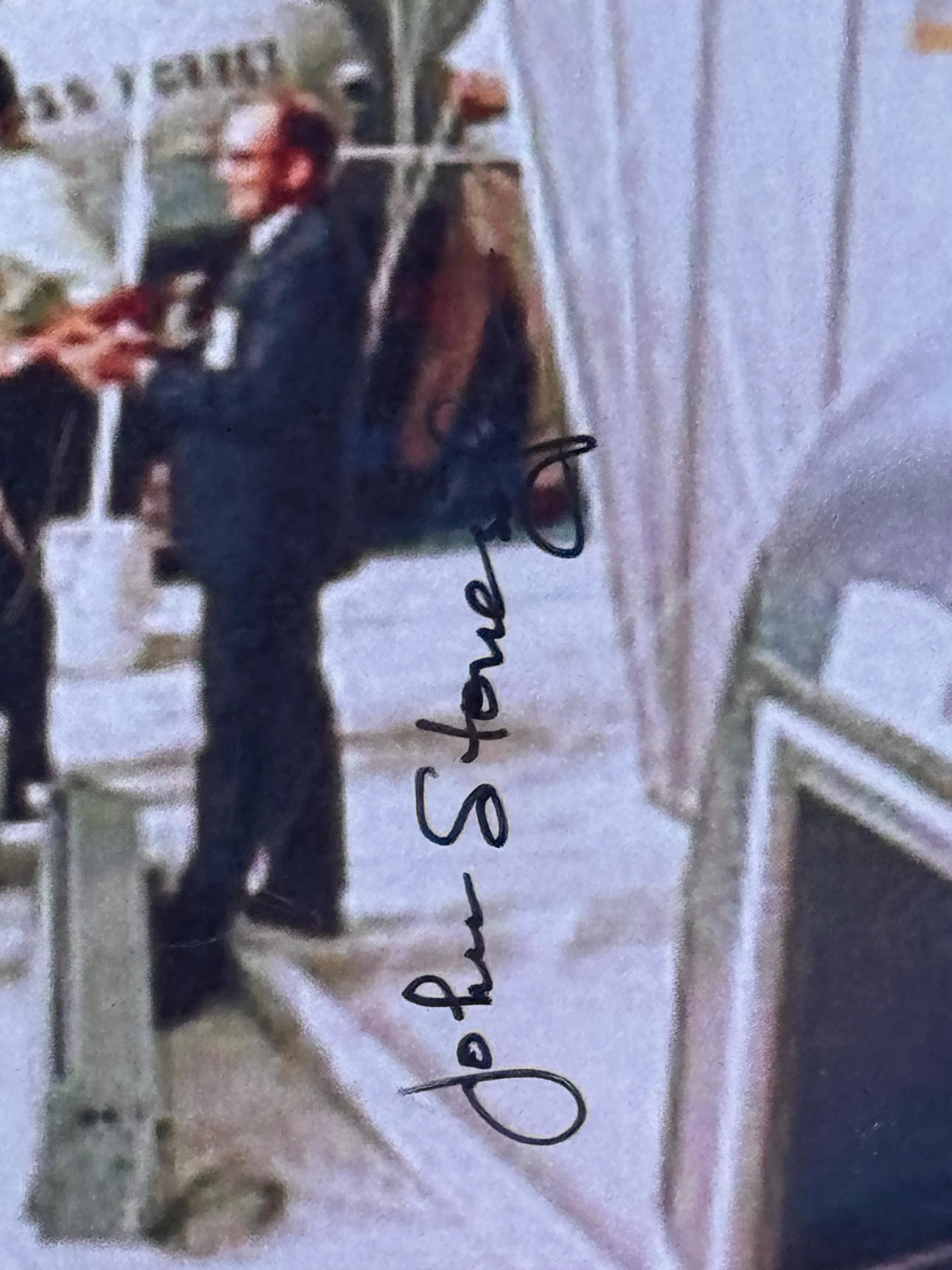 Image 5 of 6
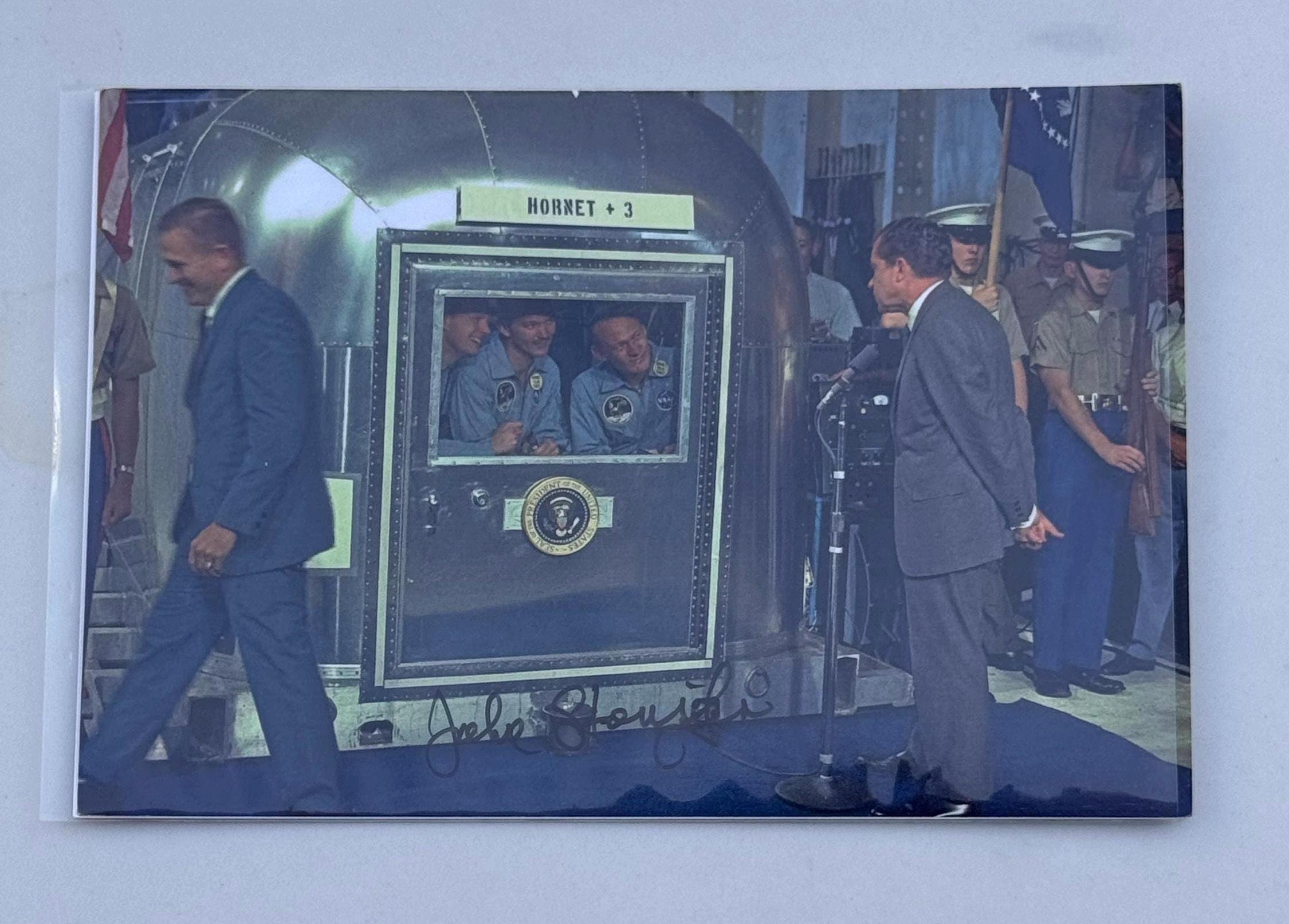 Image 6 of 6